SOLD! for $6,150.00.
(Note: Prices realized include a buyer's premium.)
If you have items like this you wish to consign, click here for more information:
Selling with Case- Low Estimate: $3,400.00
- High Estimate: $3,800.00
- Hammer Price: $5,000.00
- Share this:
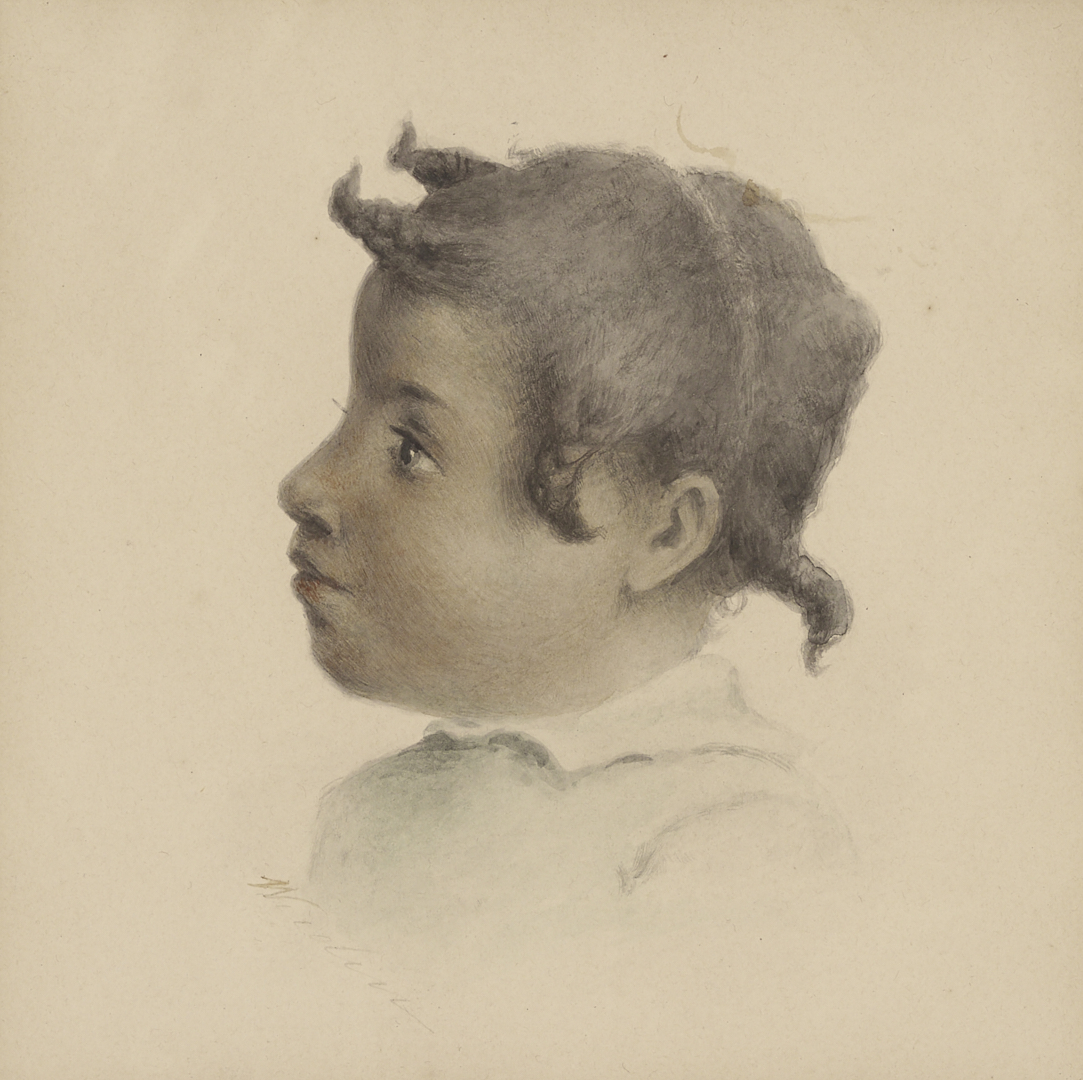
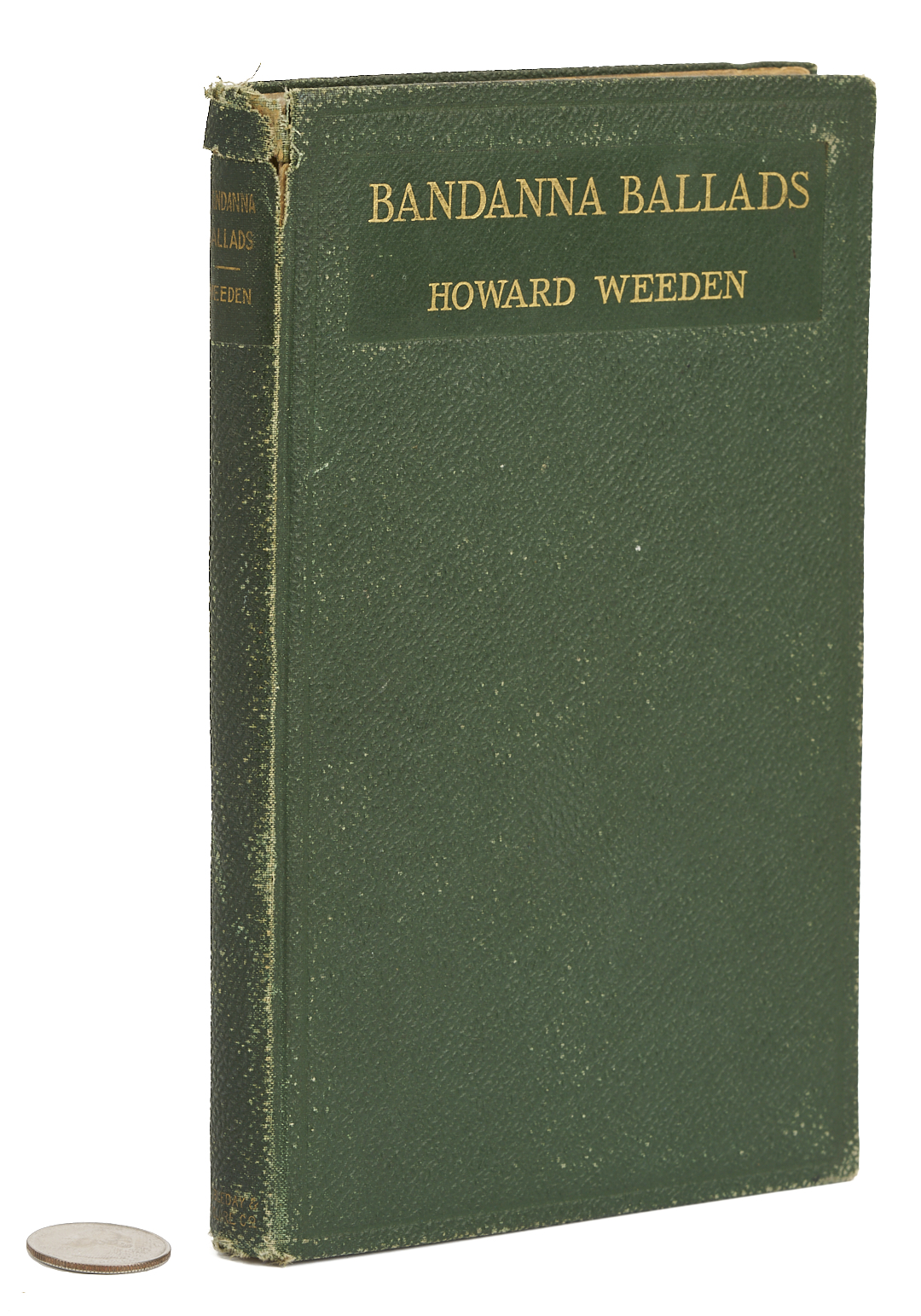
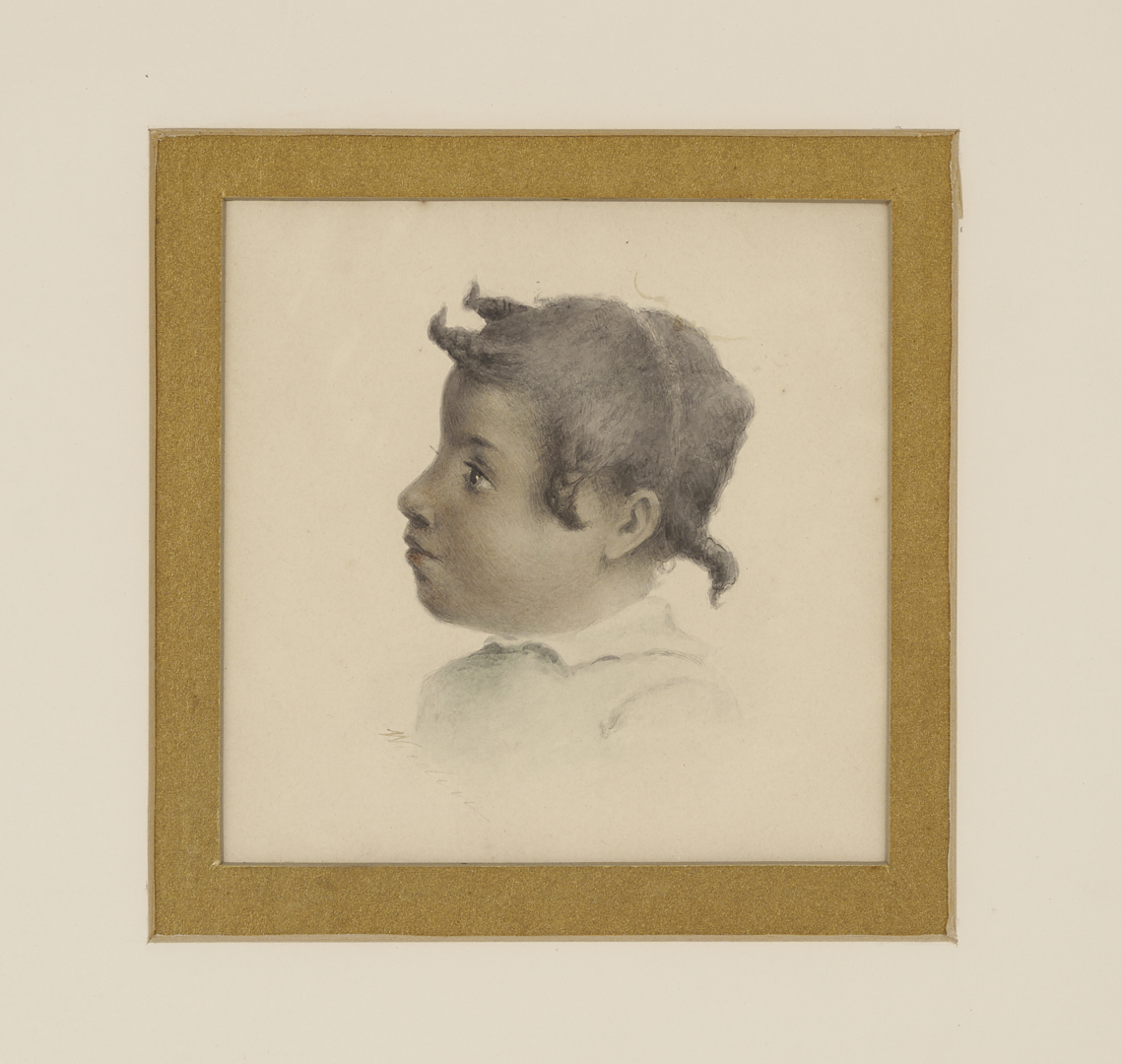
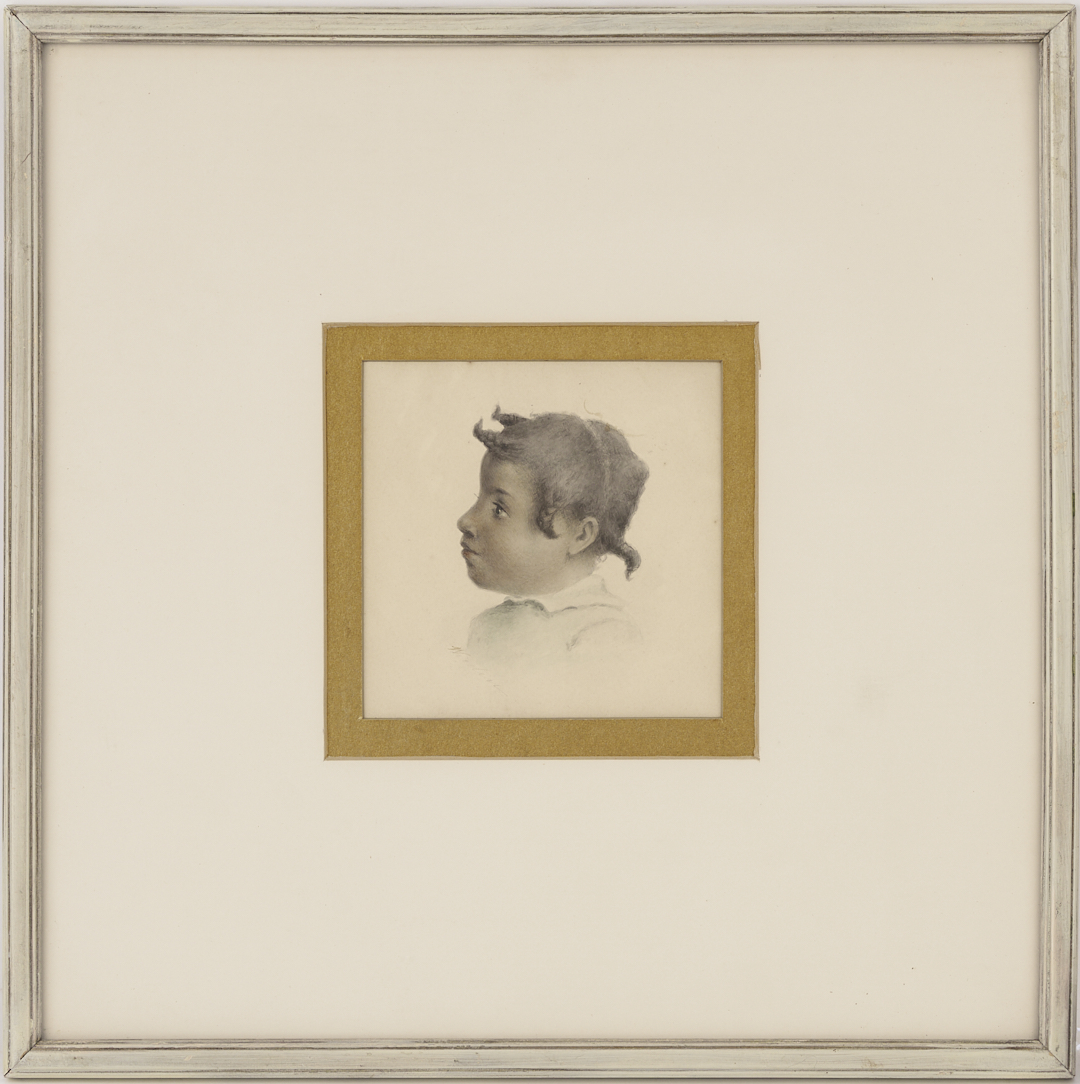
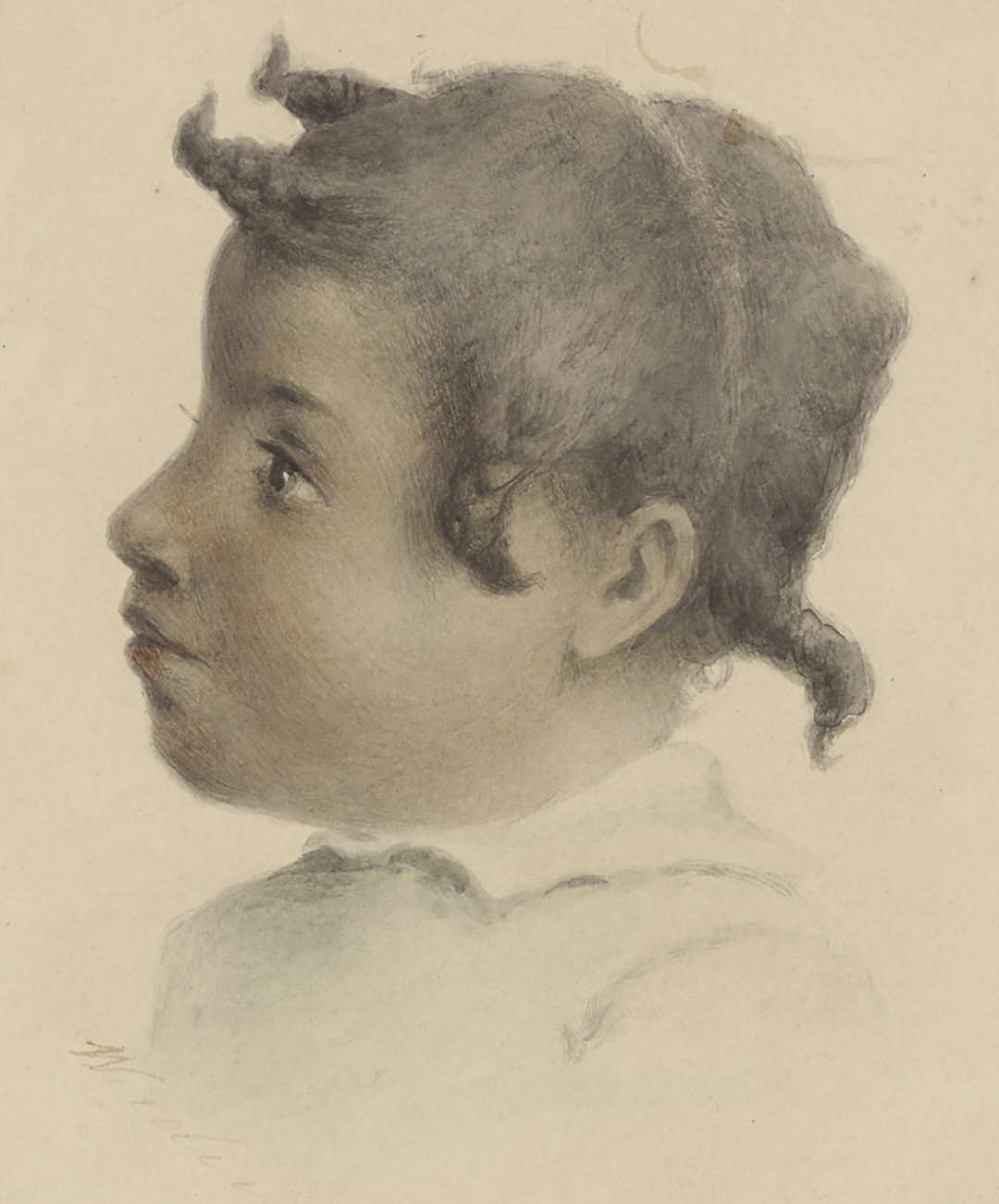
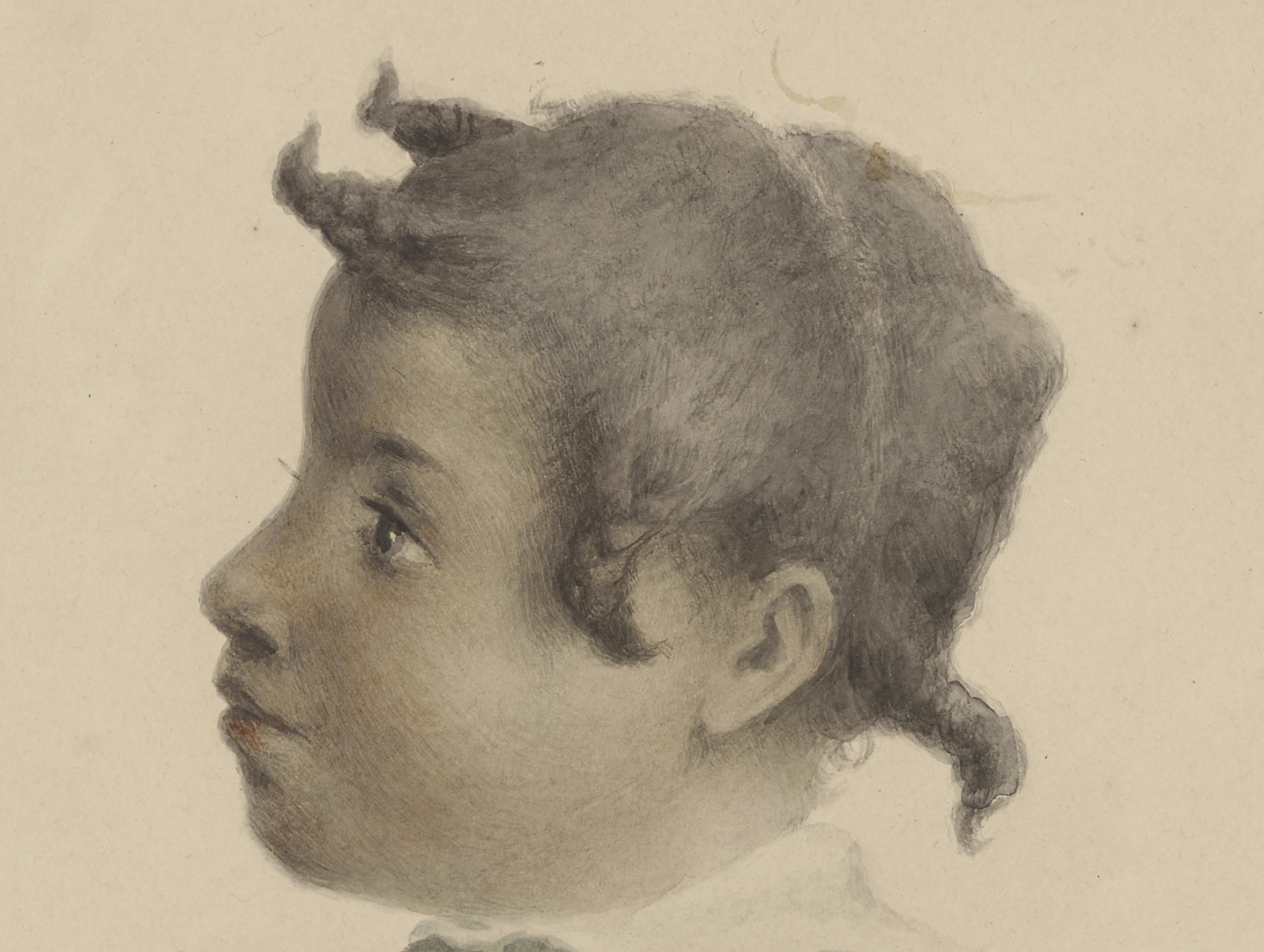
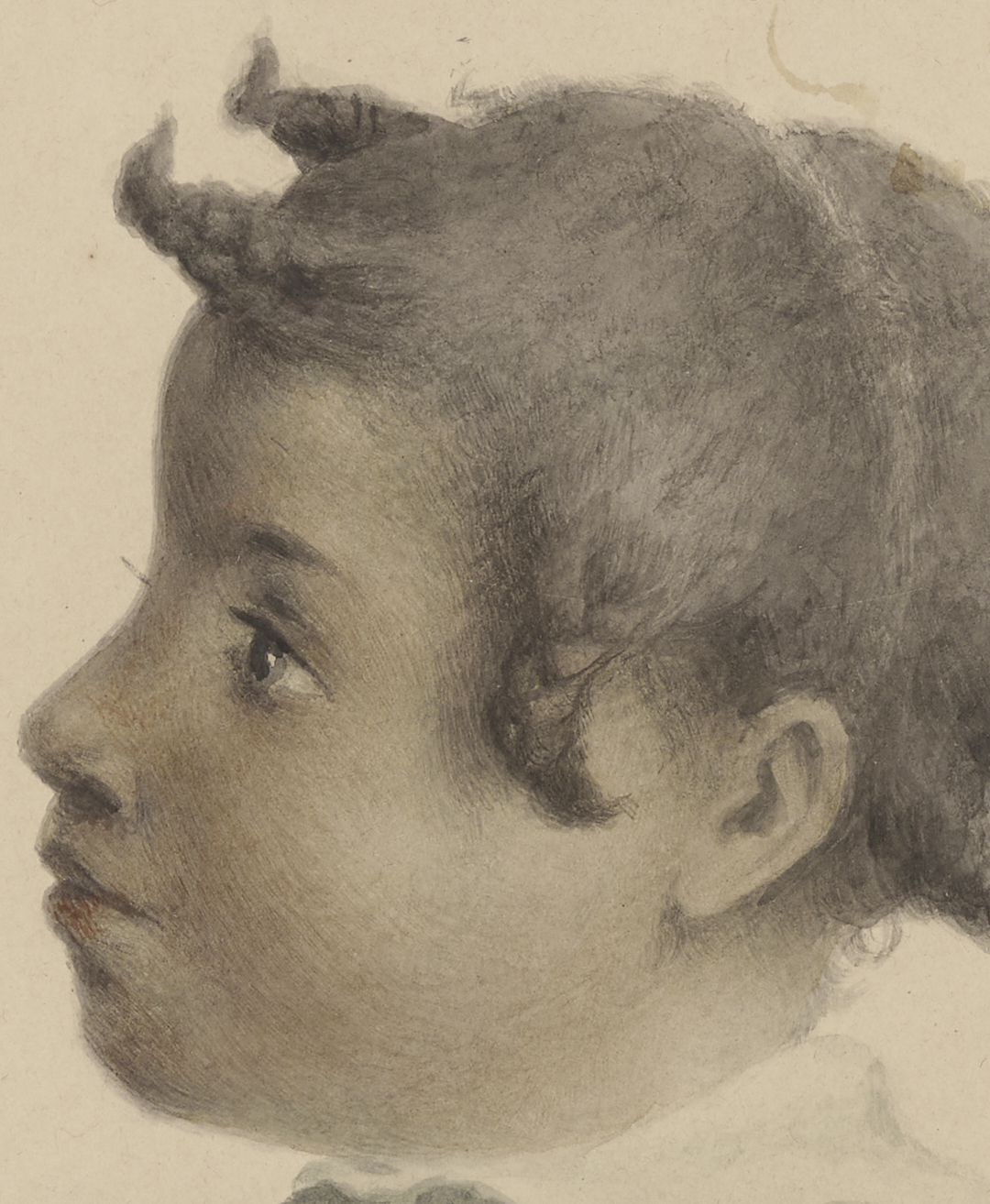
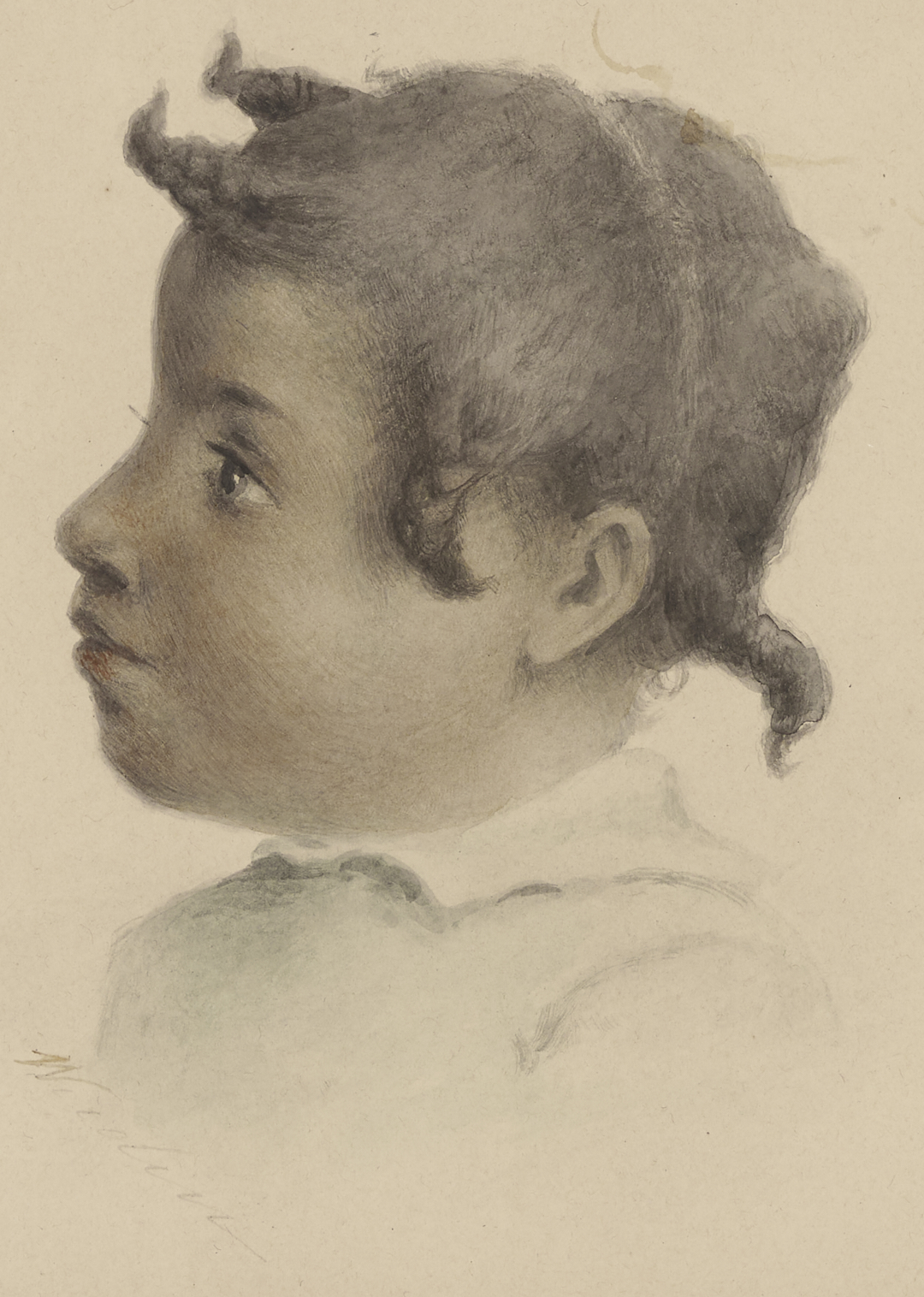
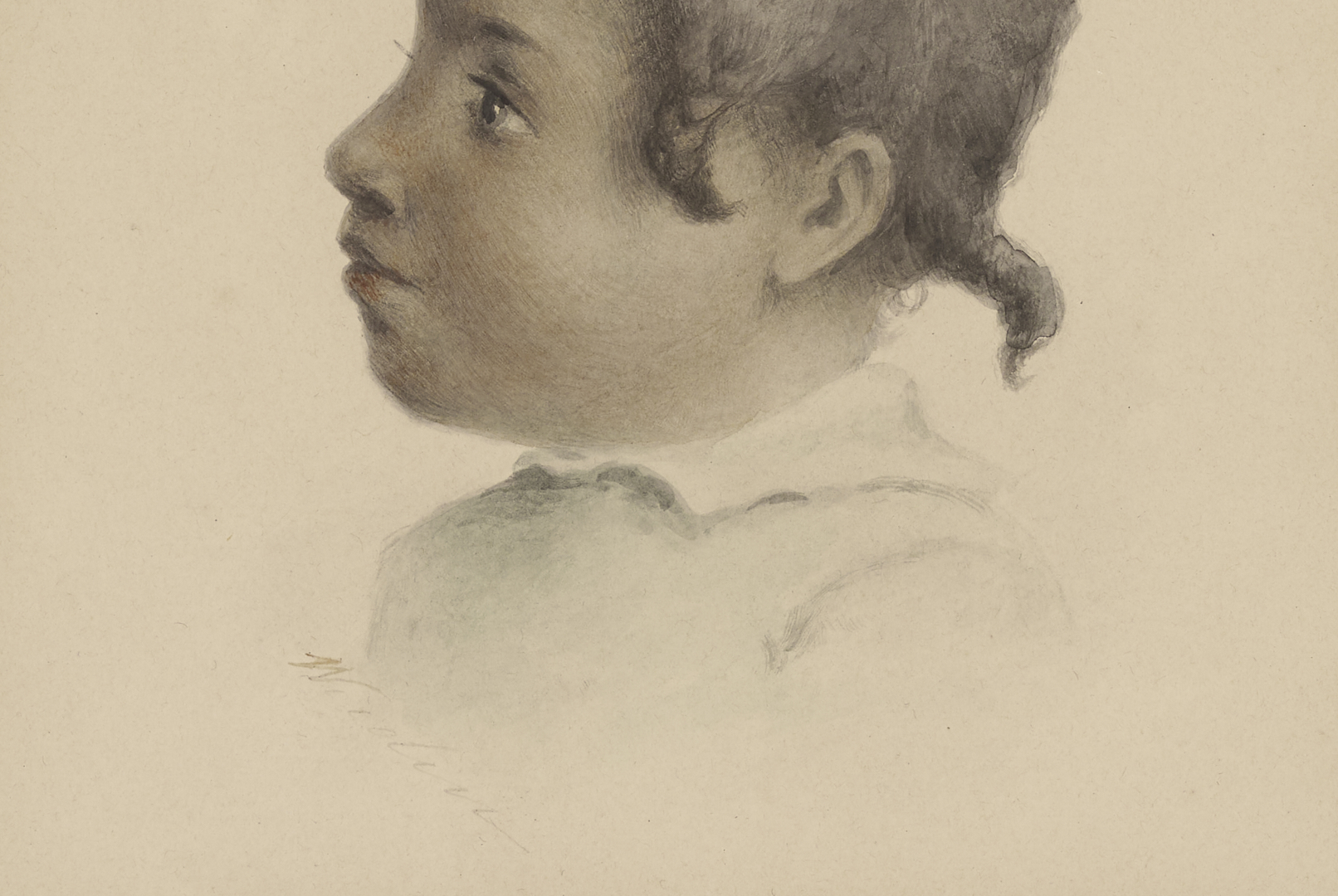
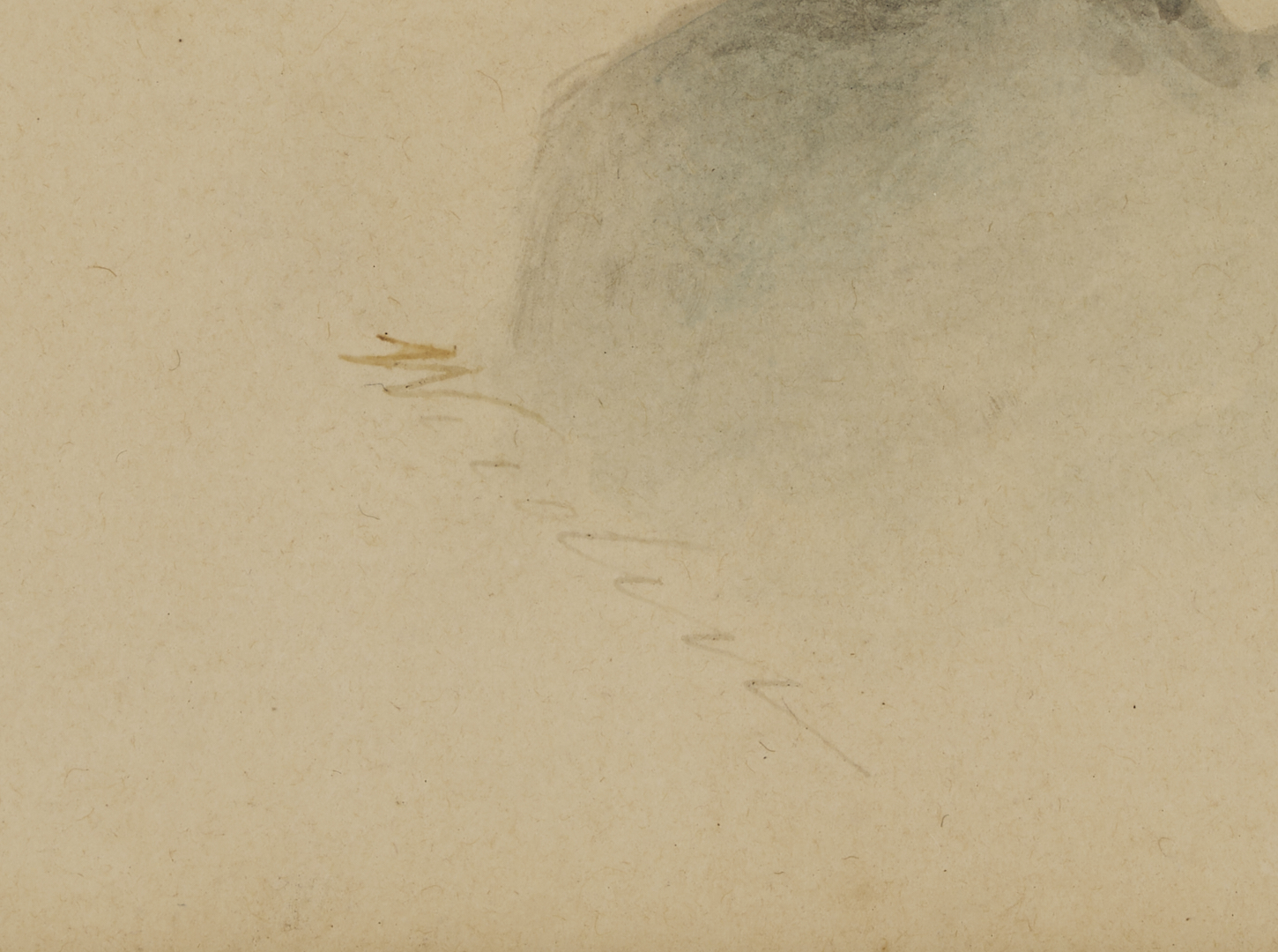
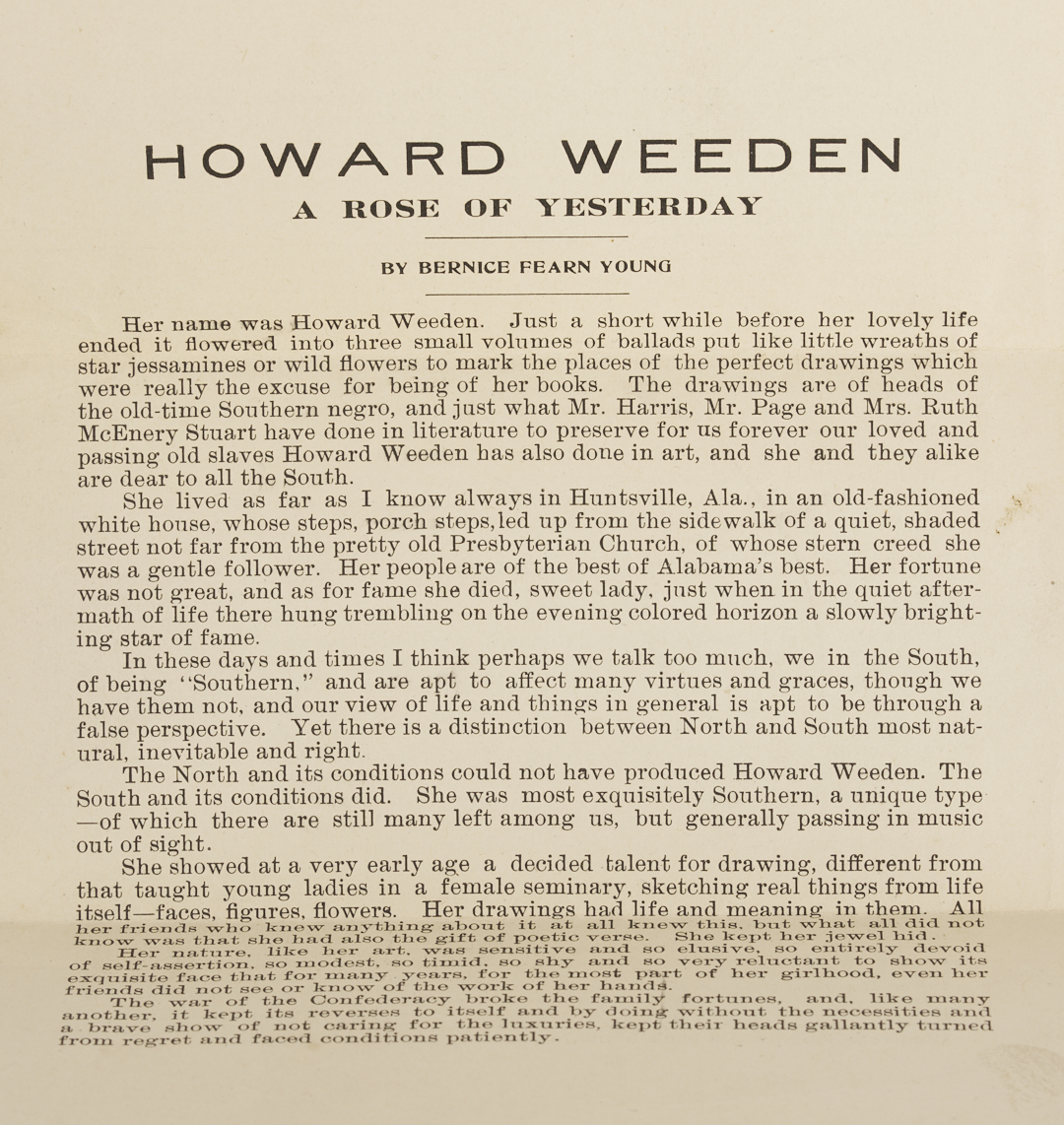
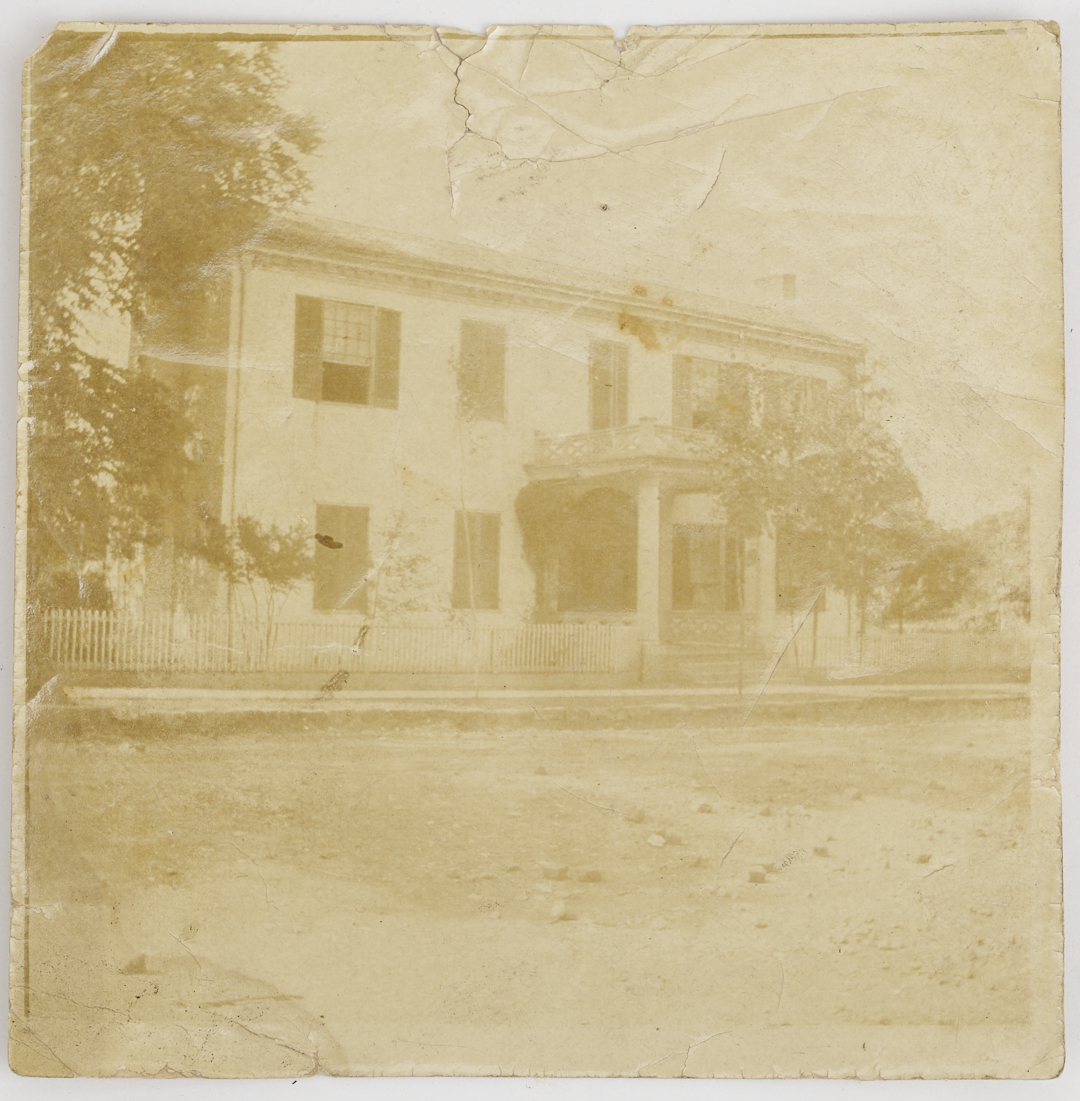
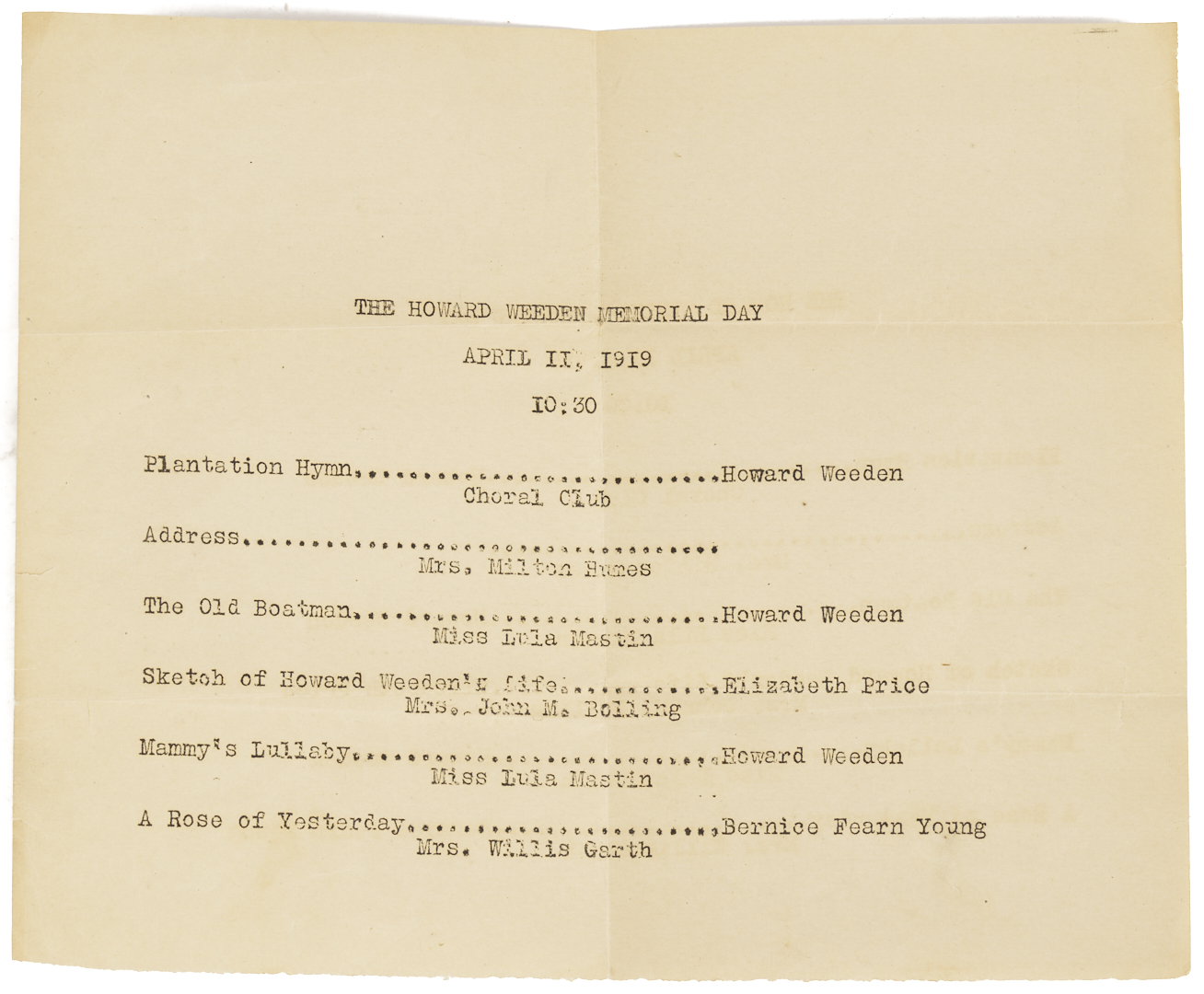
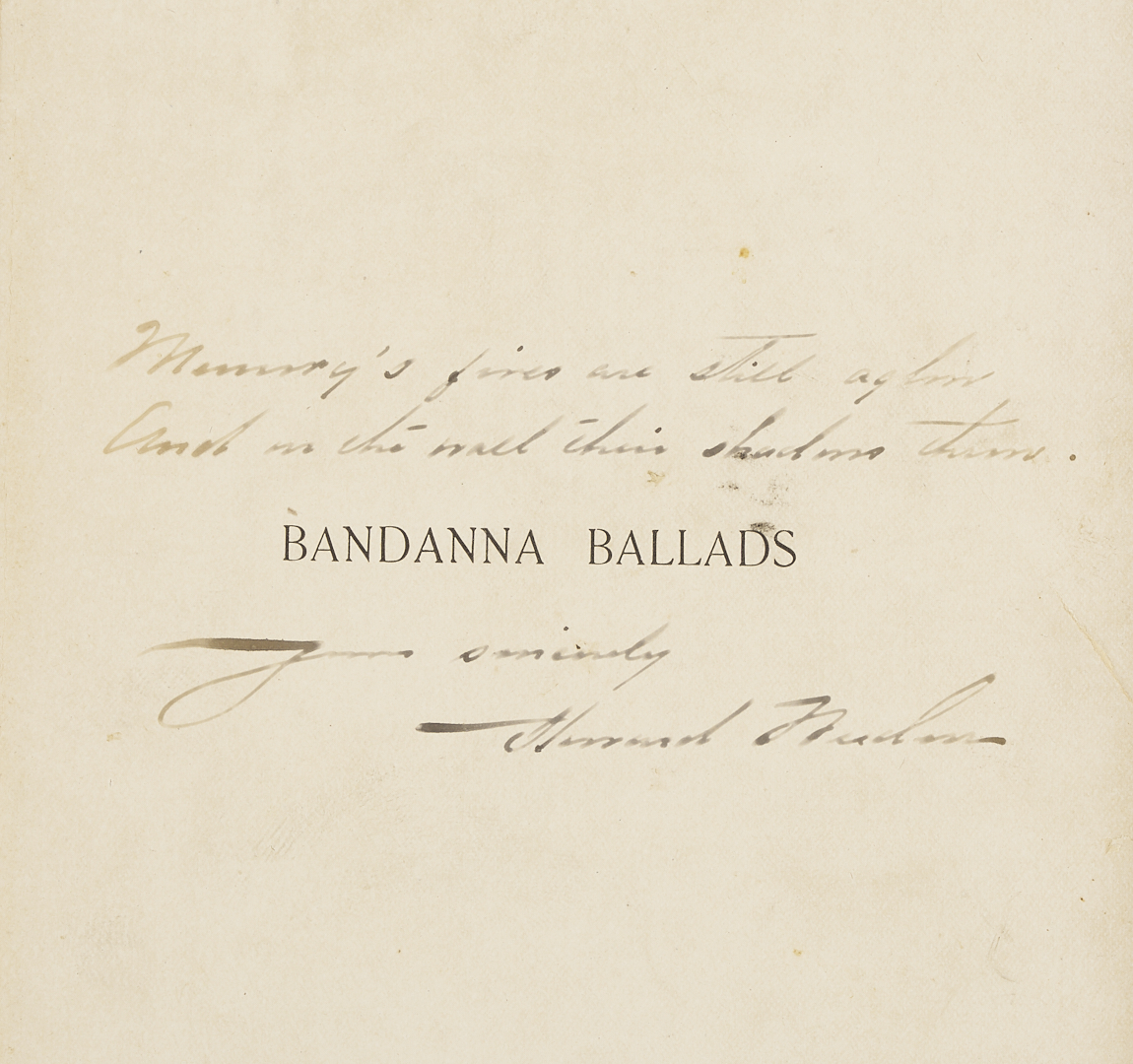
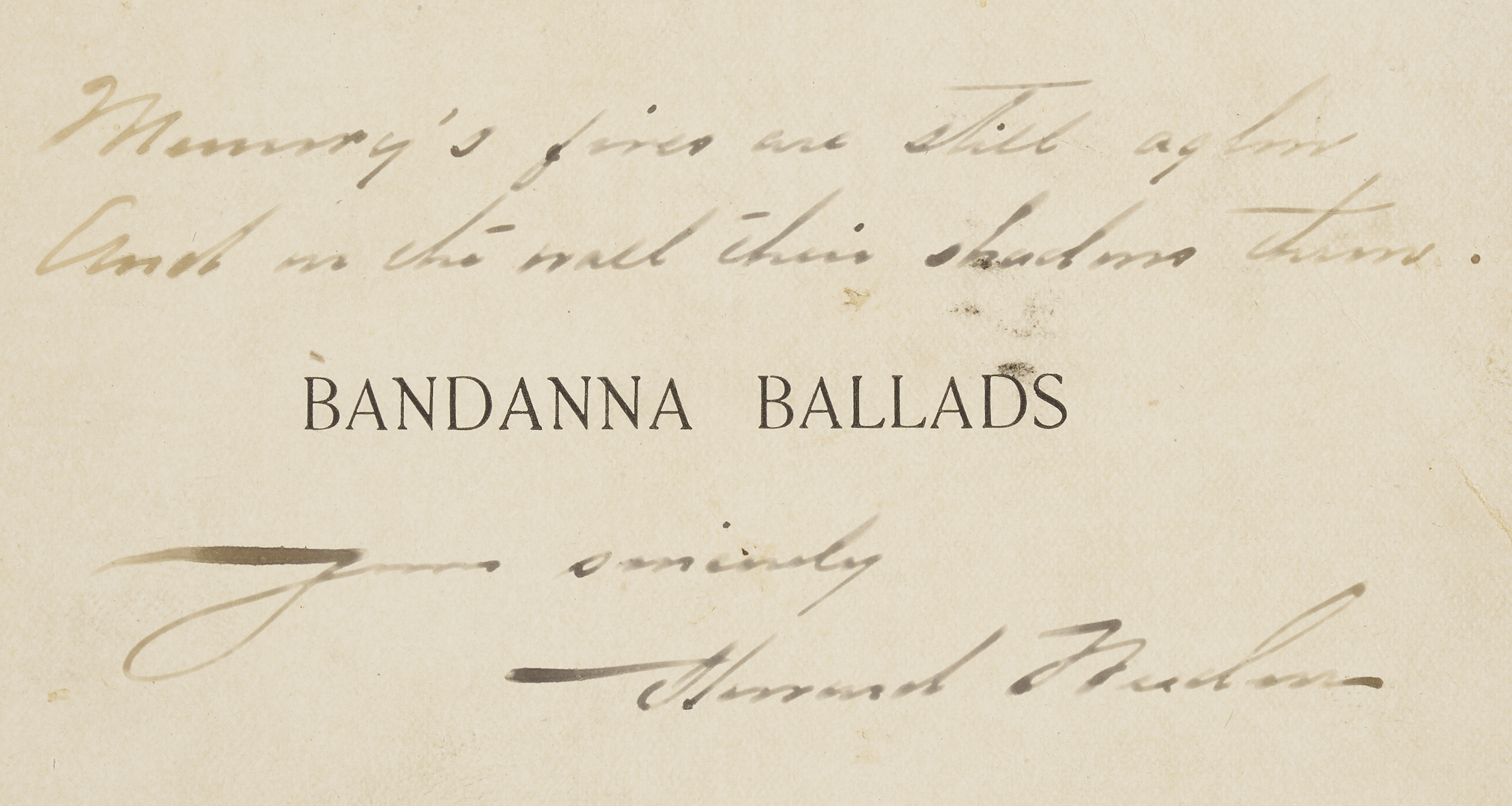
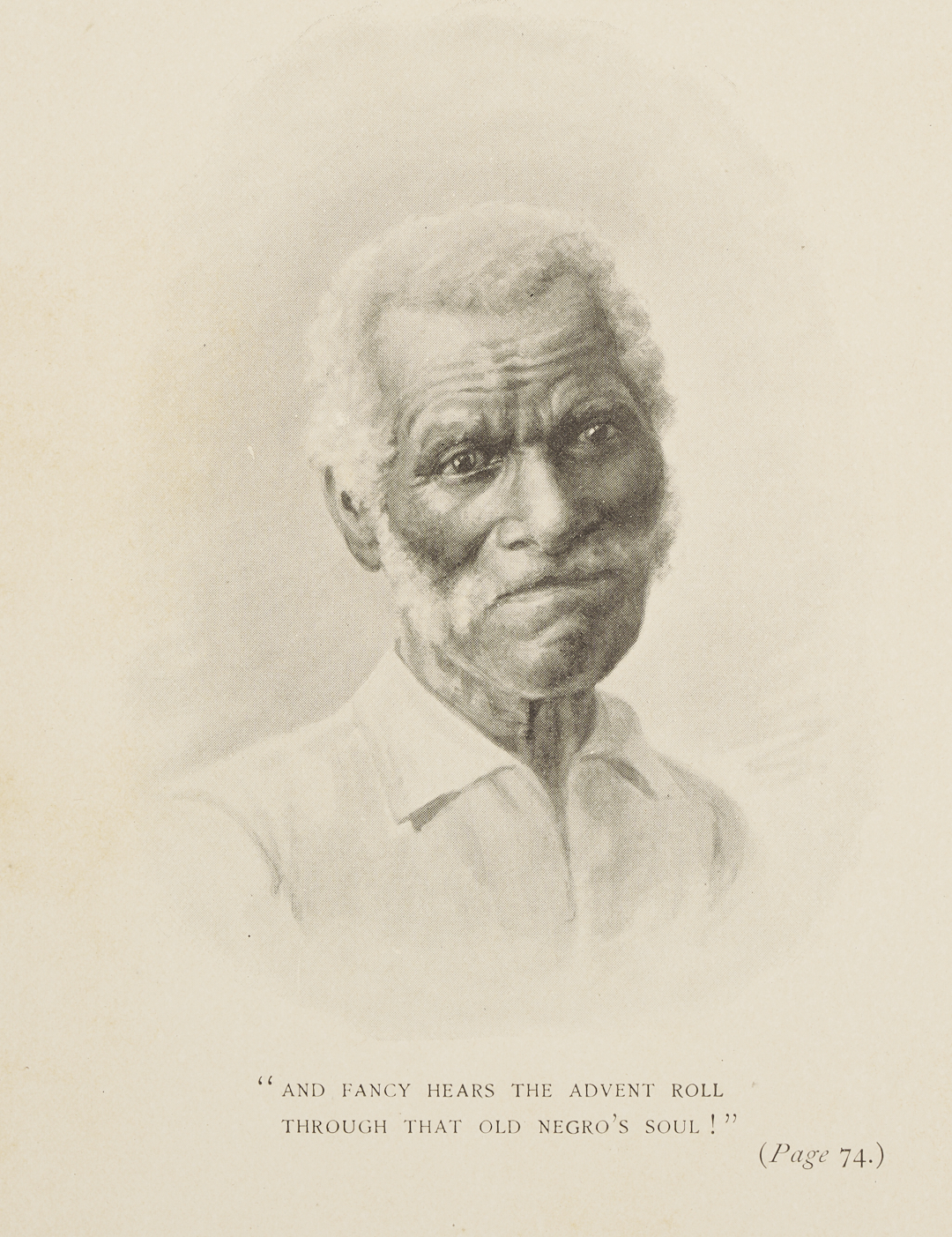
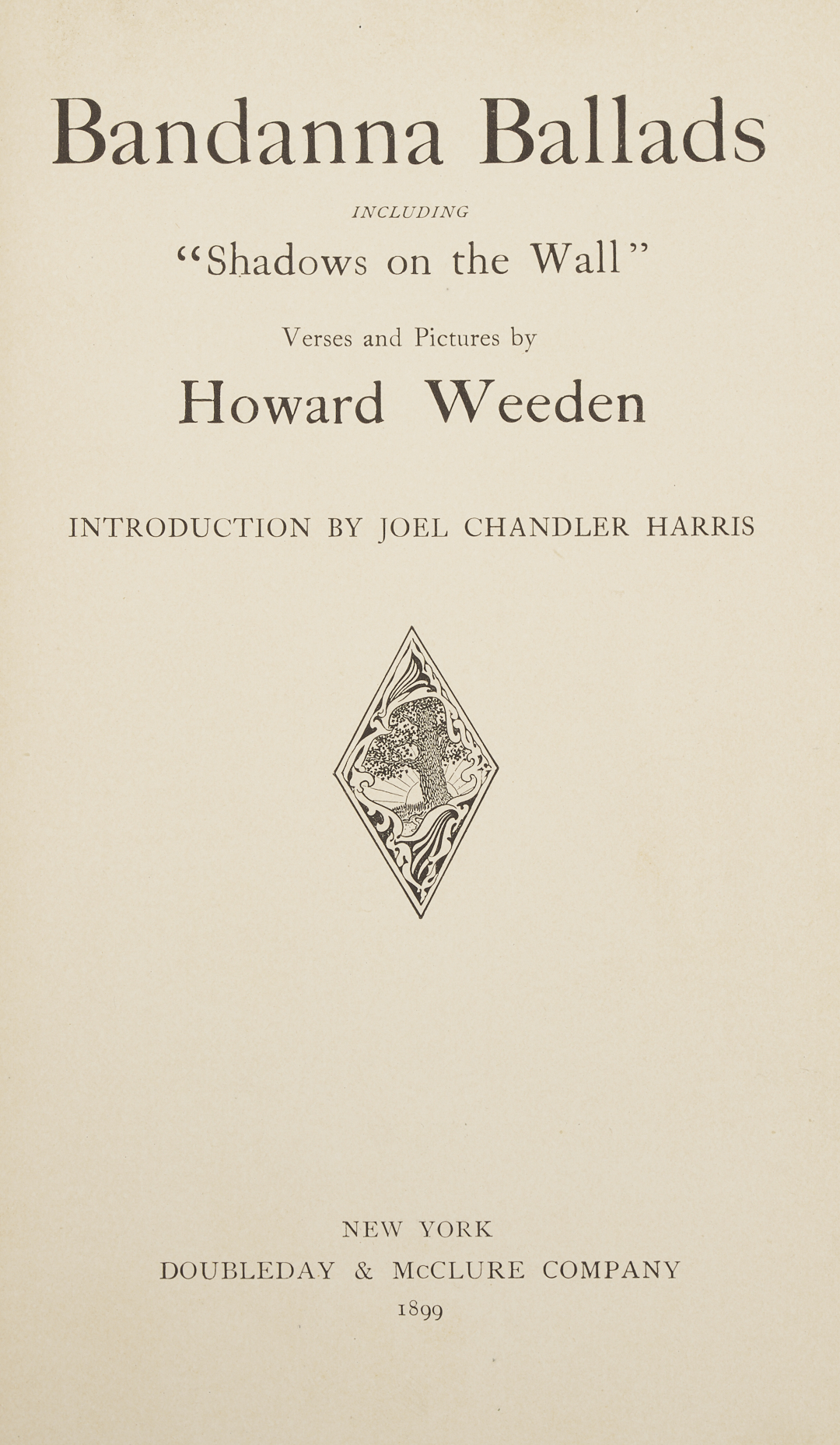
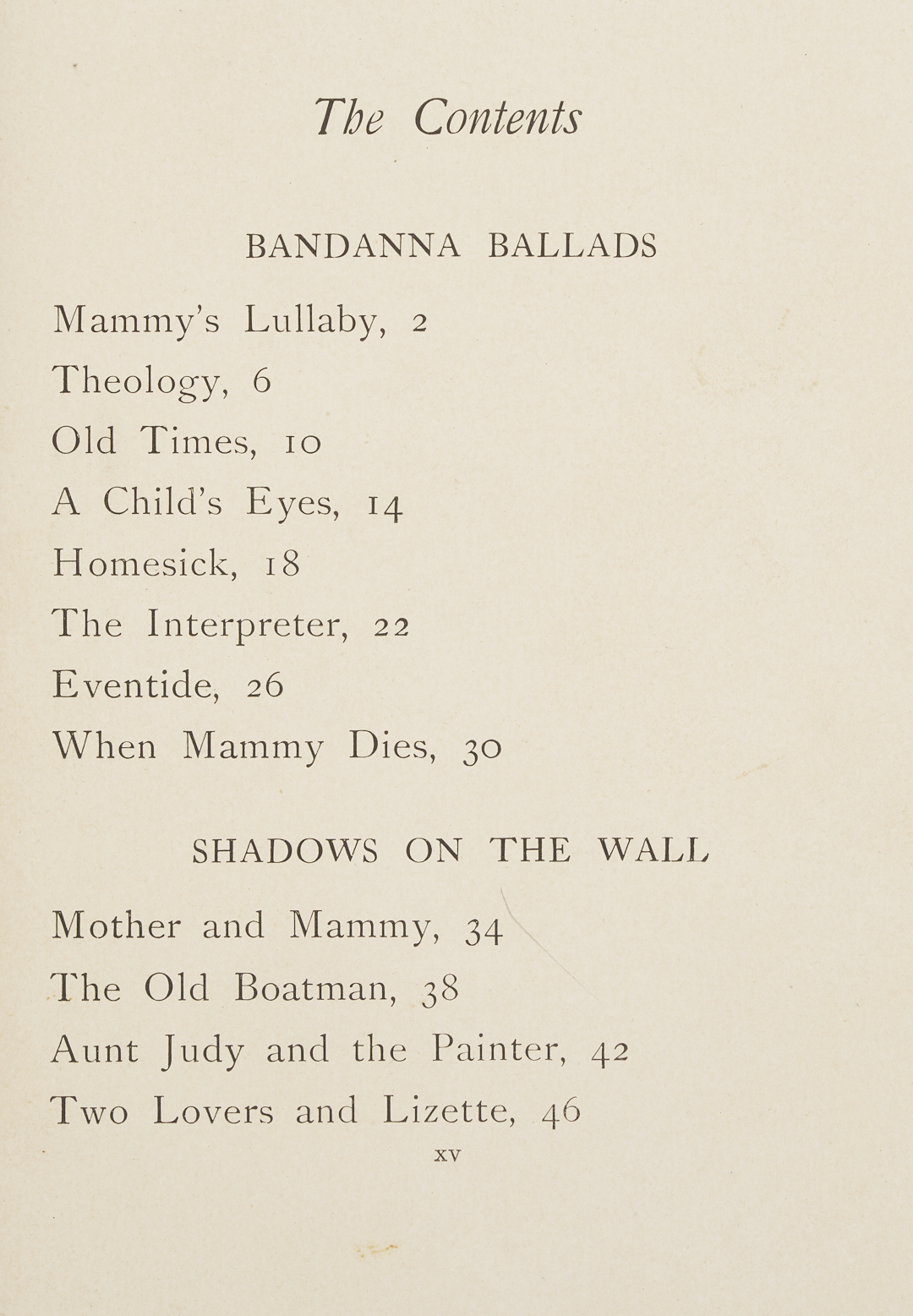
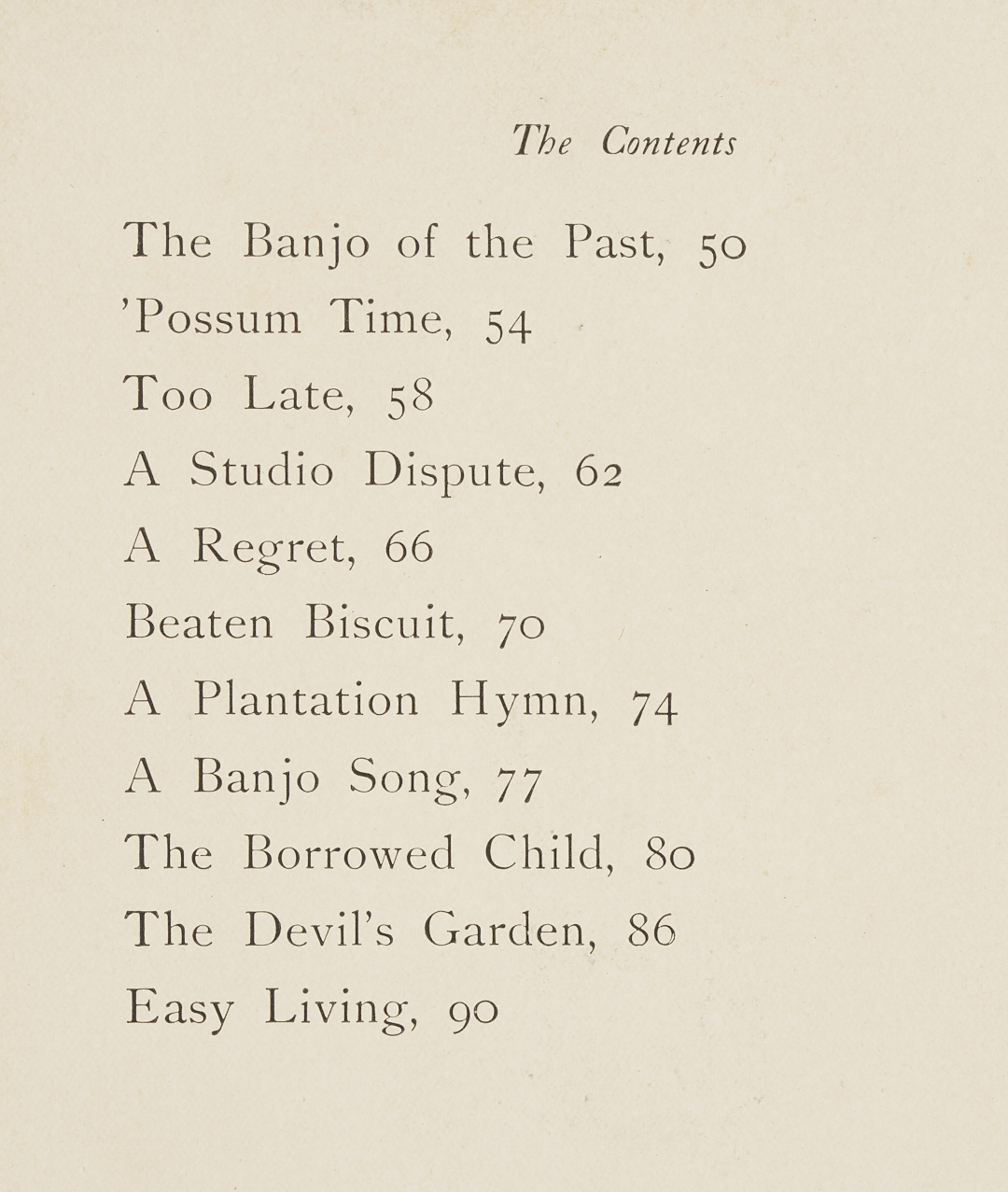
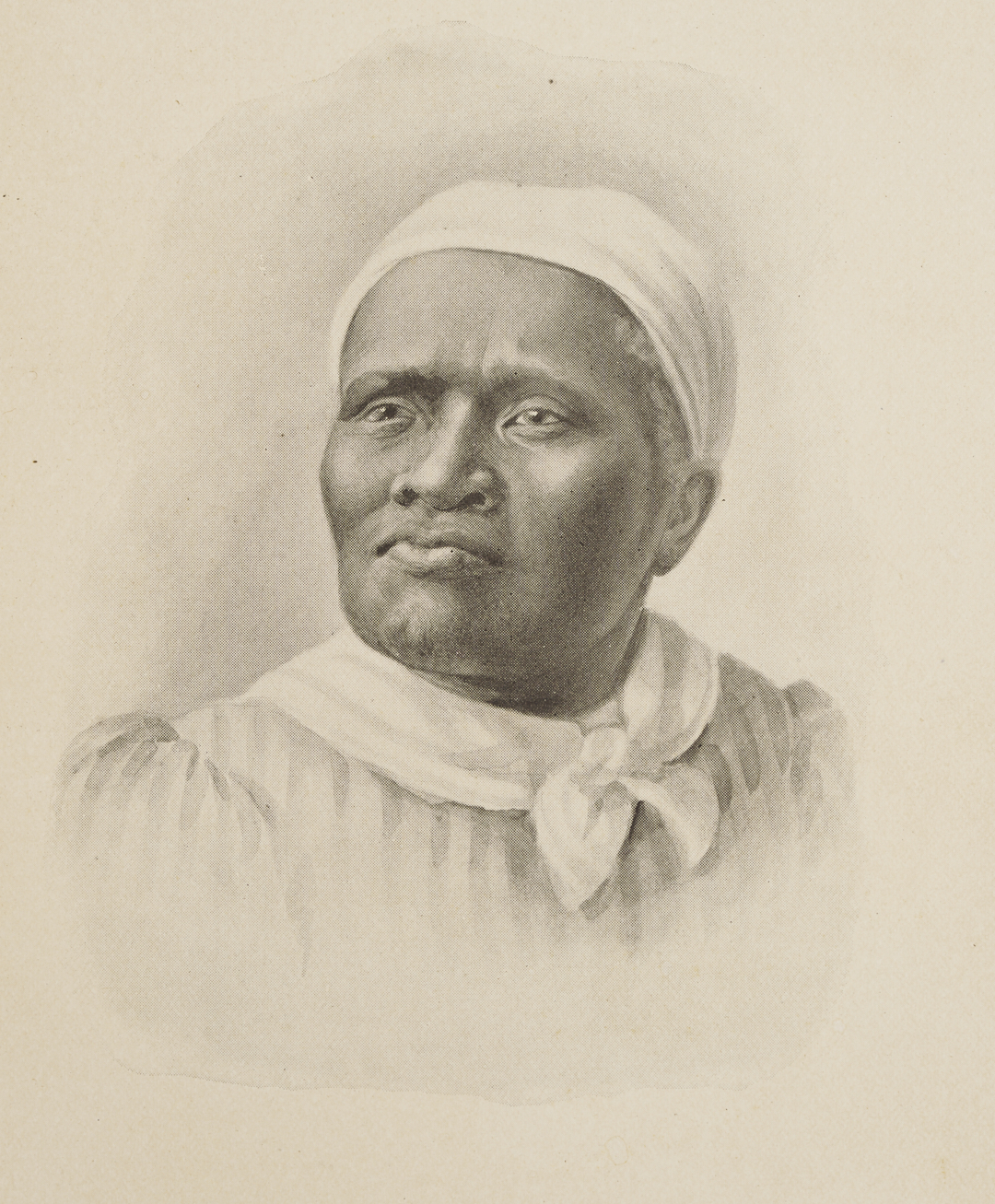
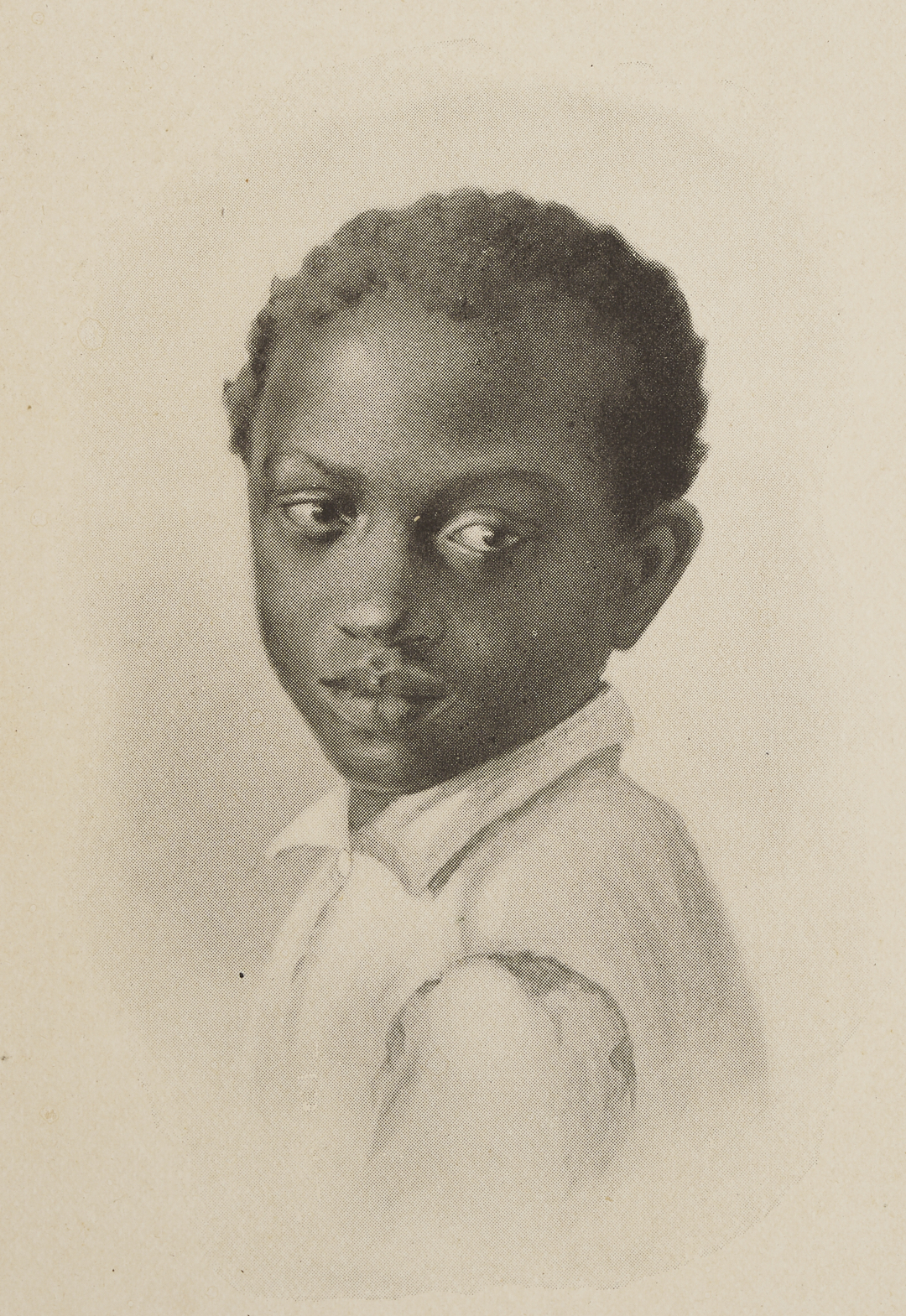
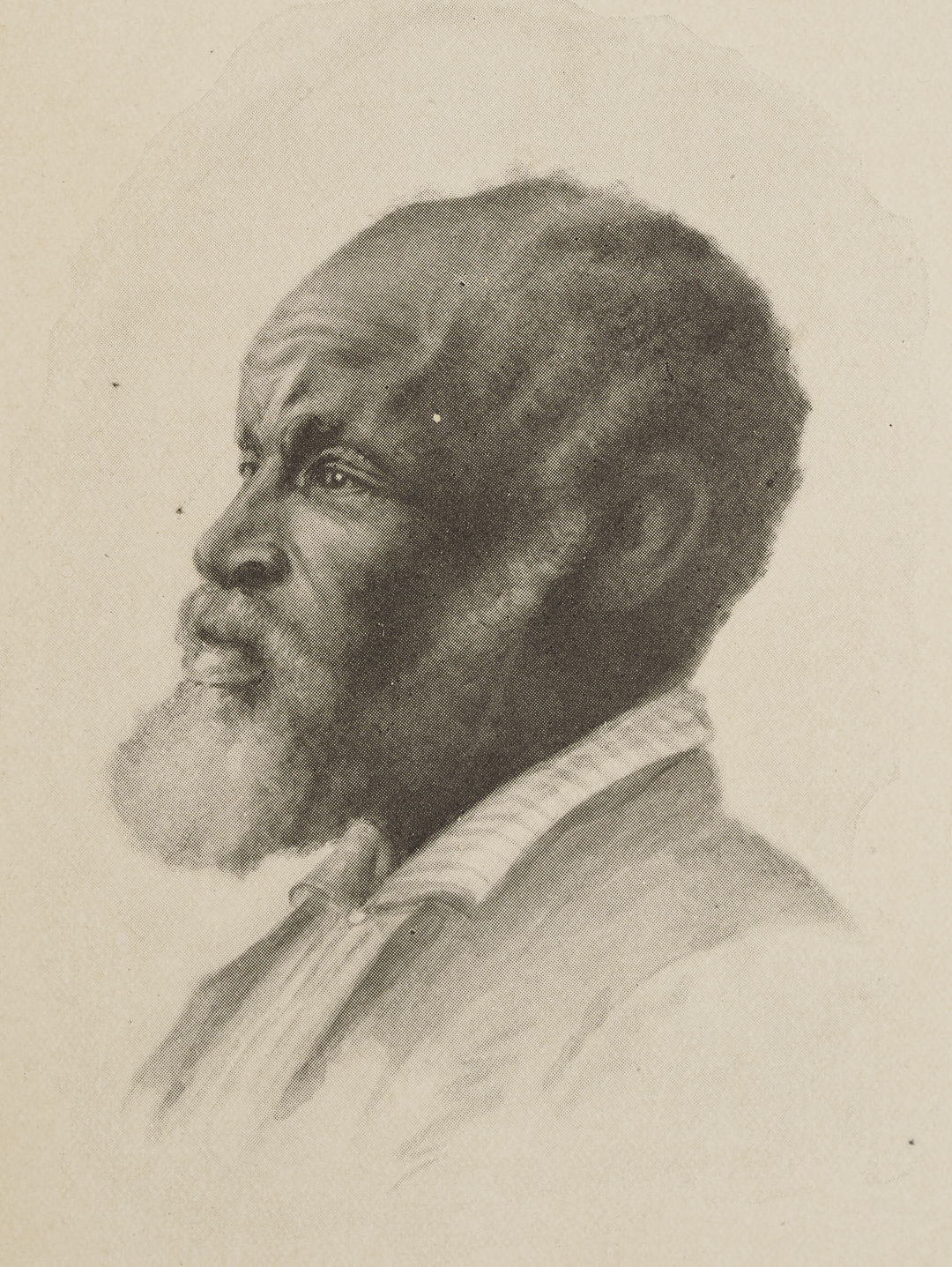
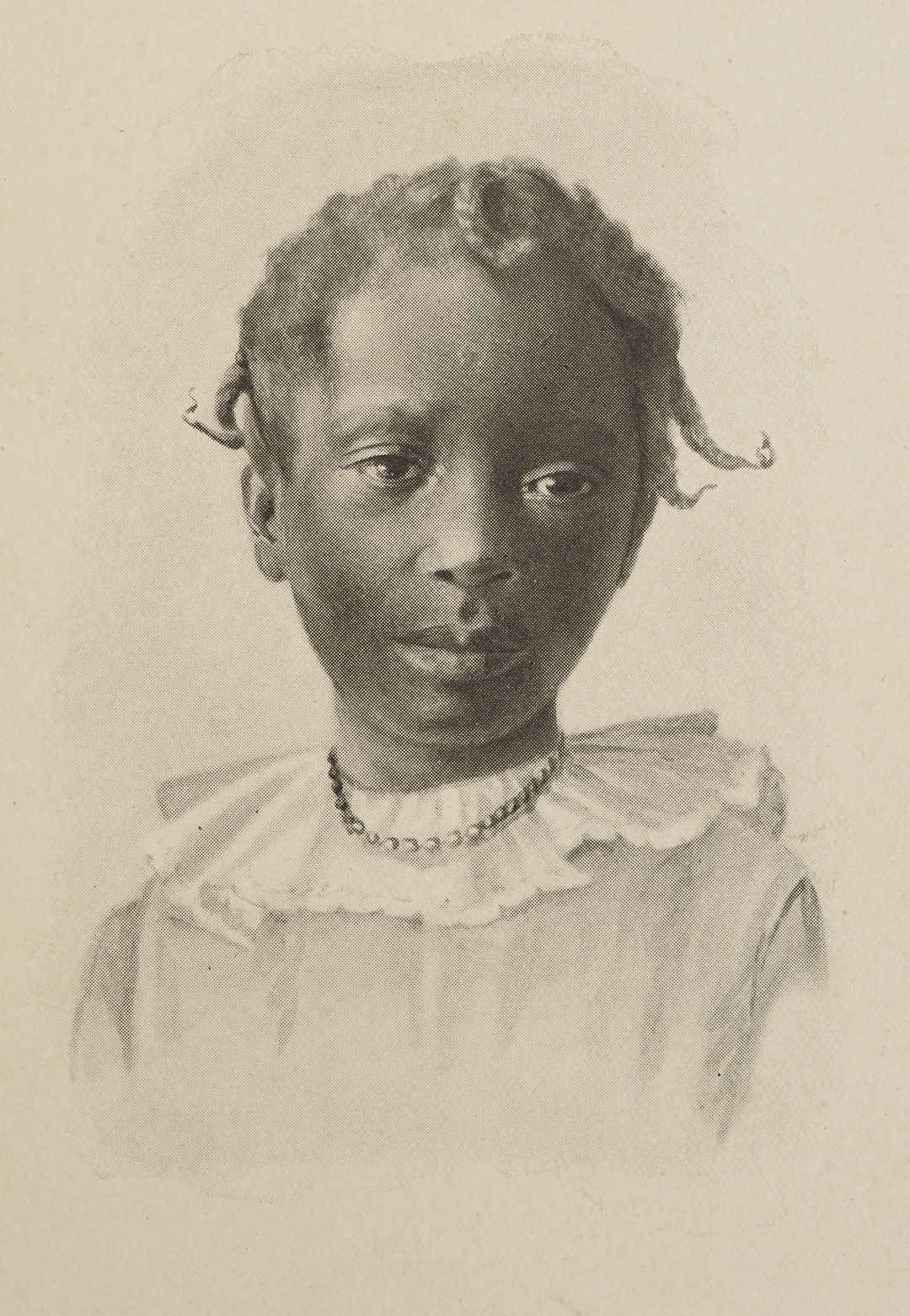
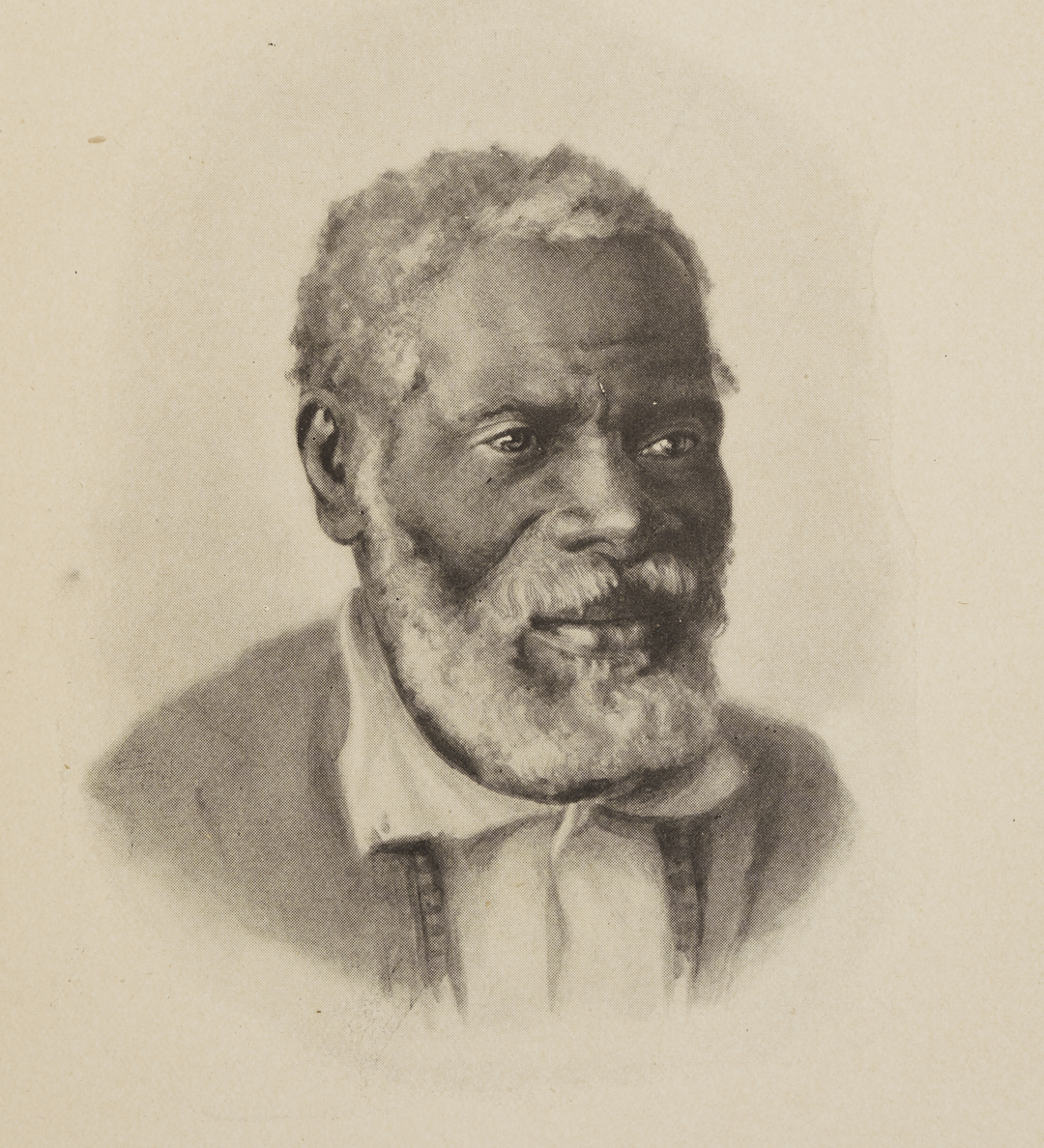
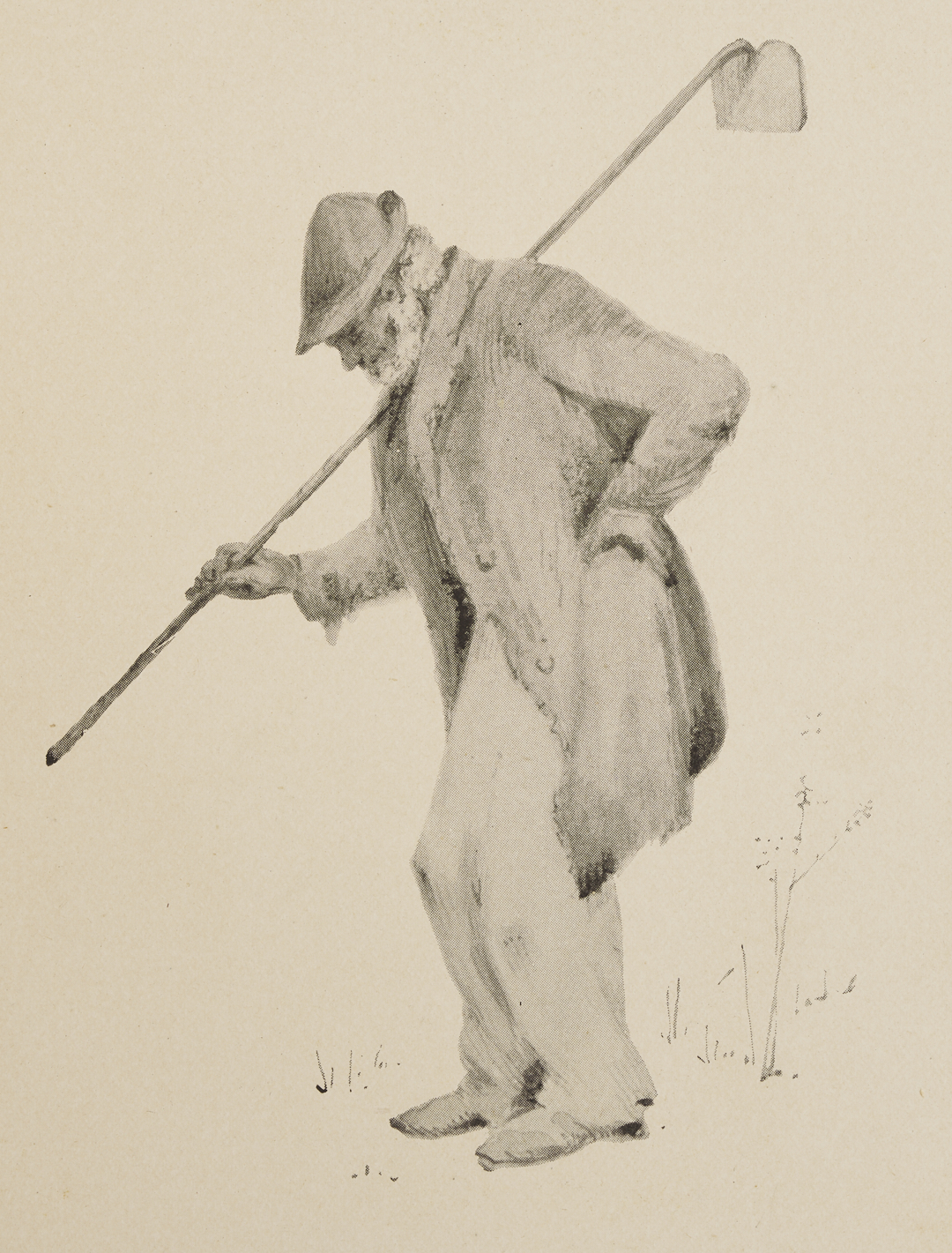
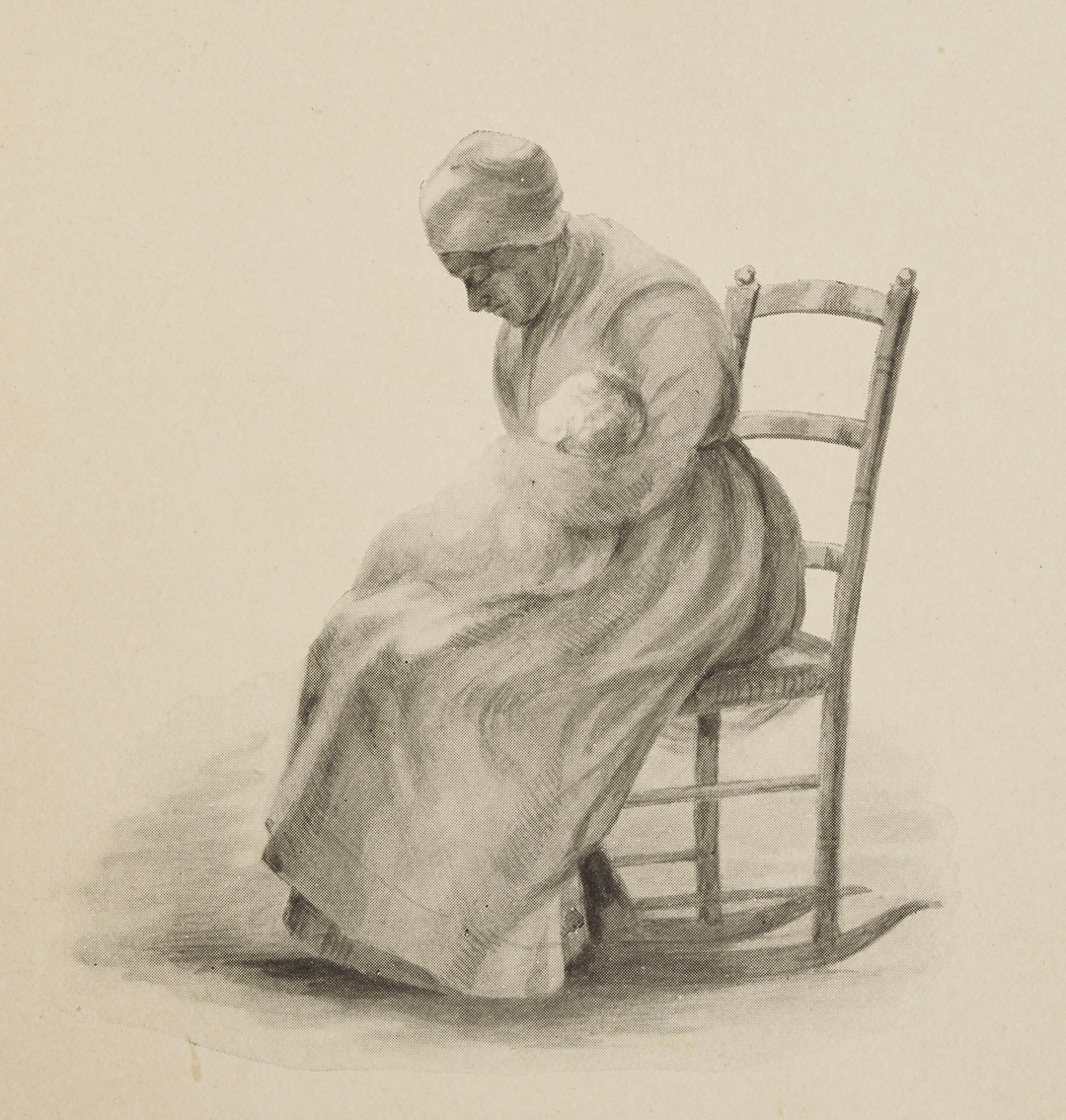
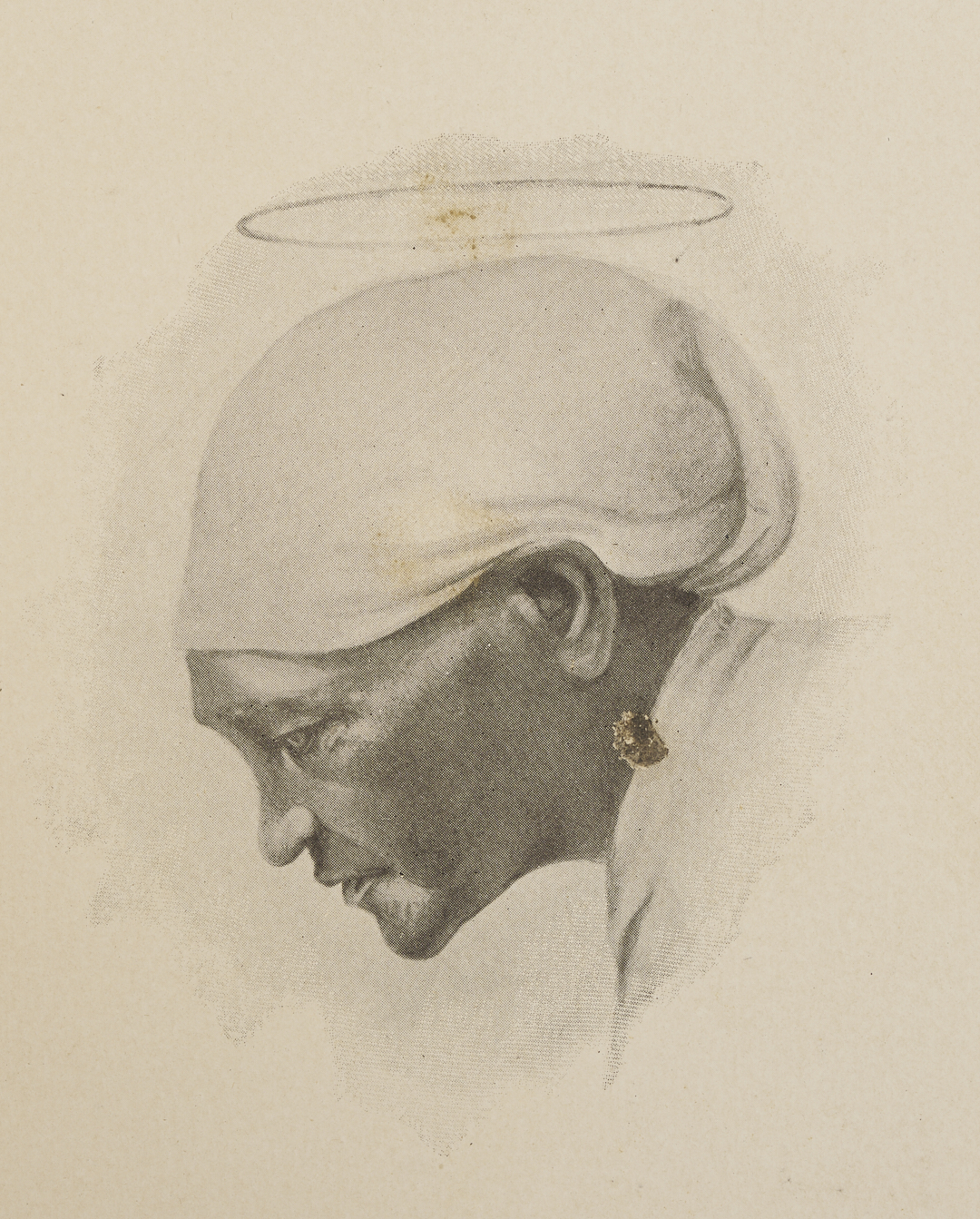
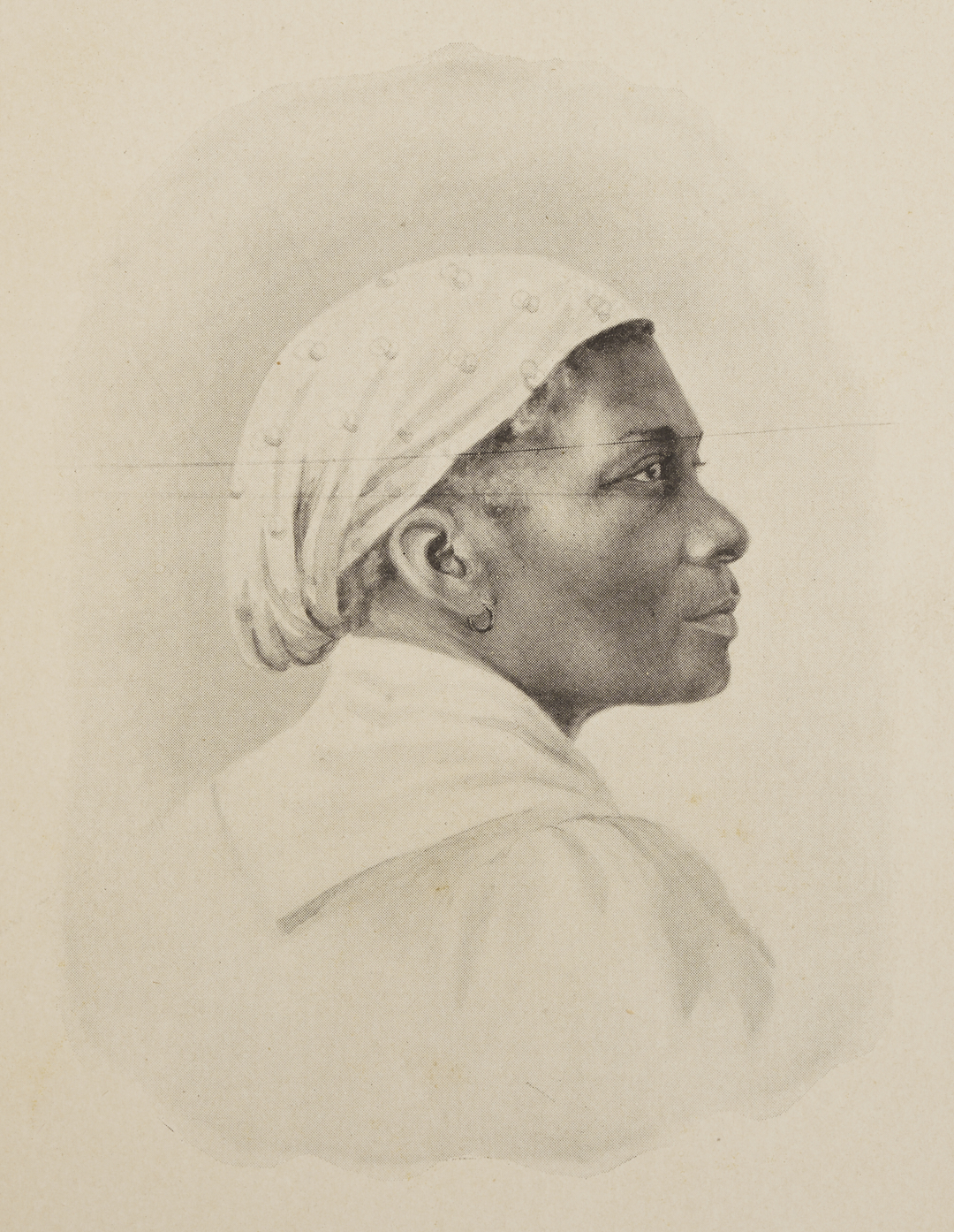
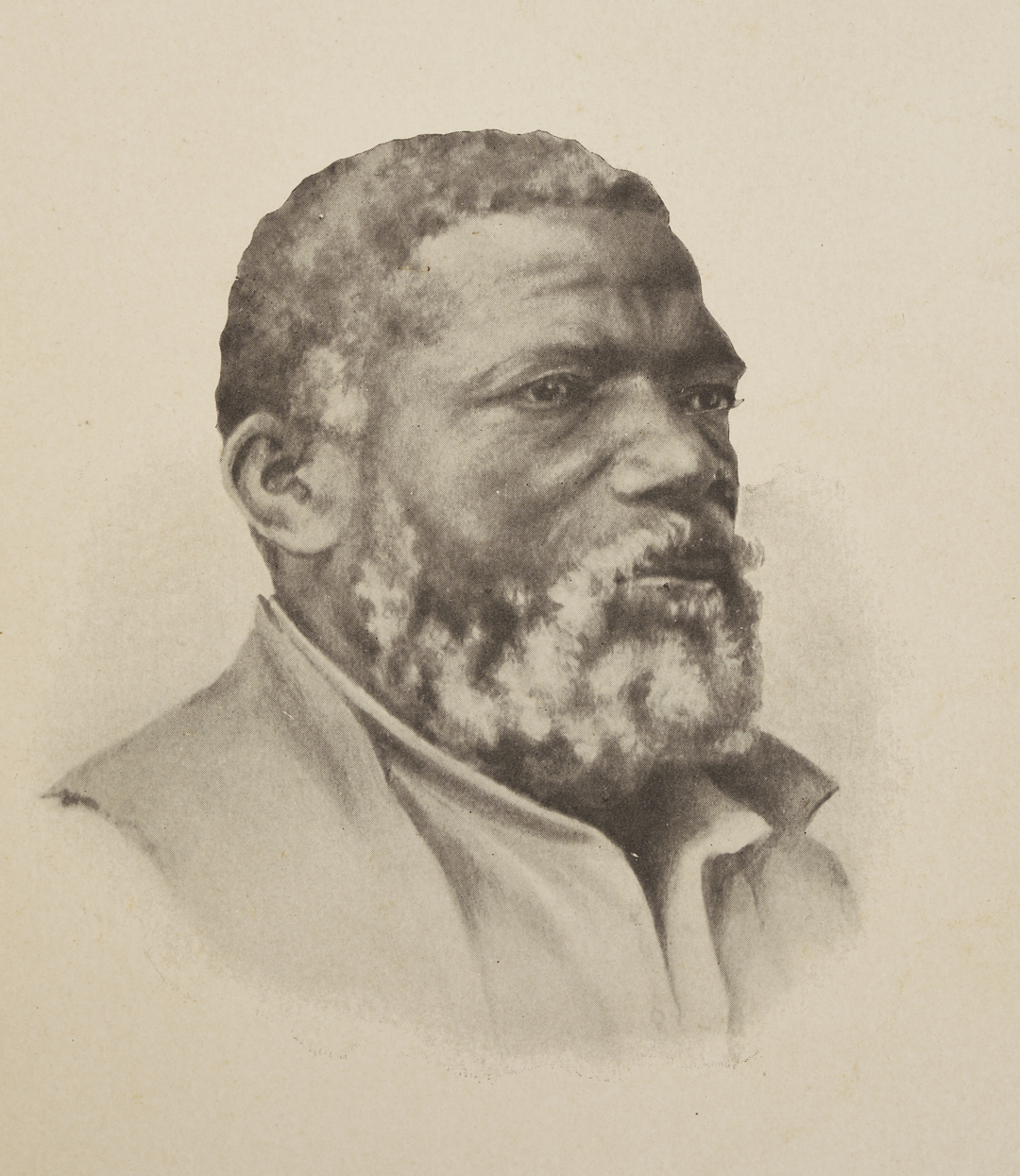
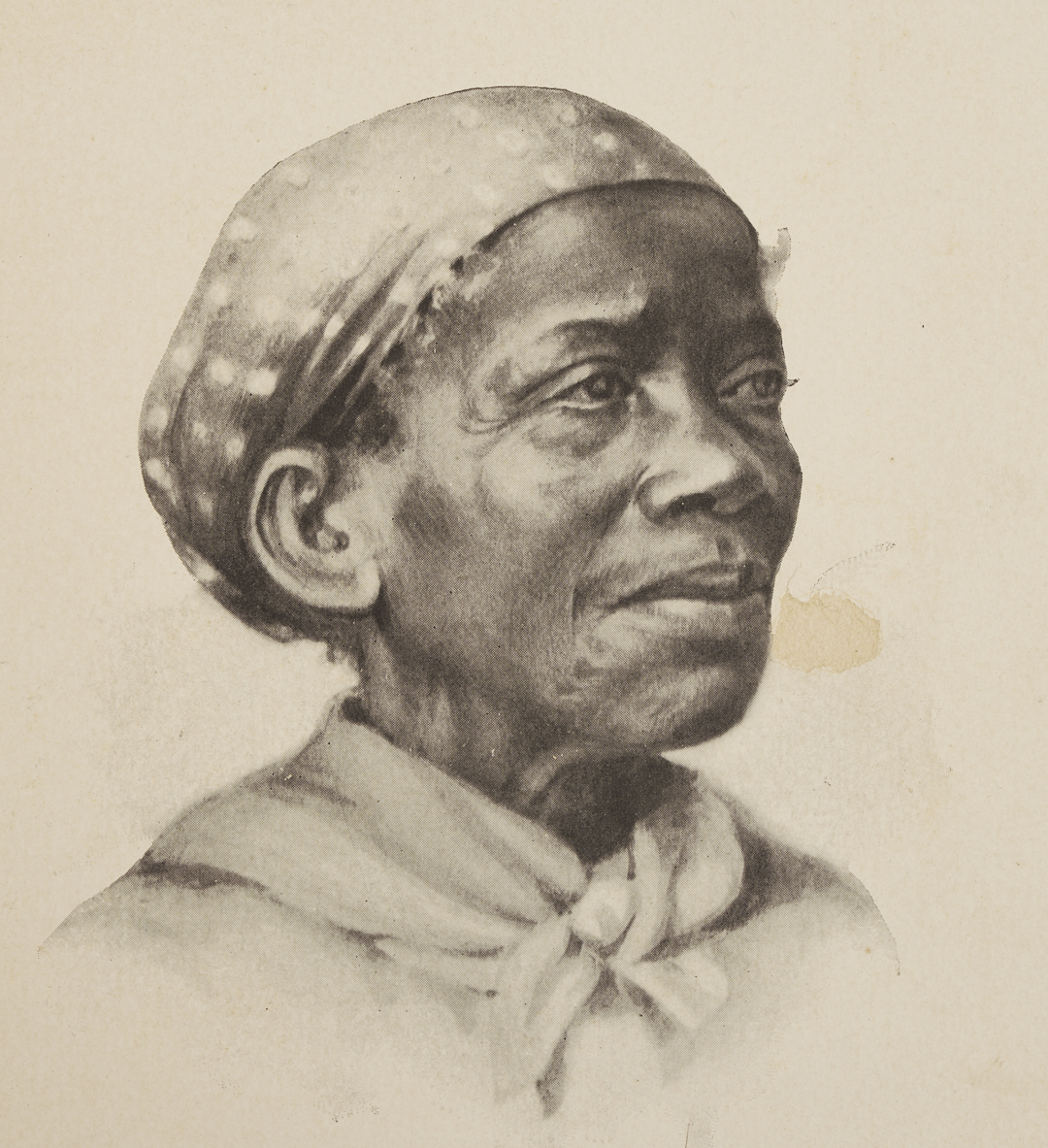
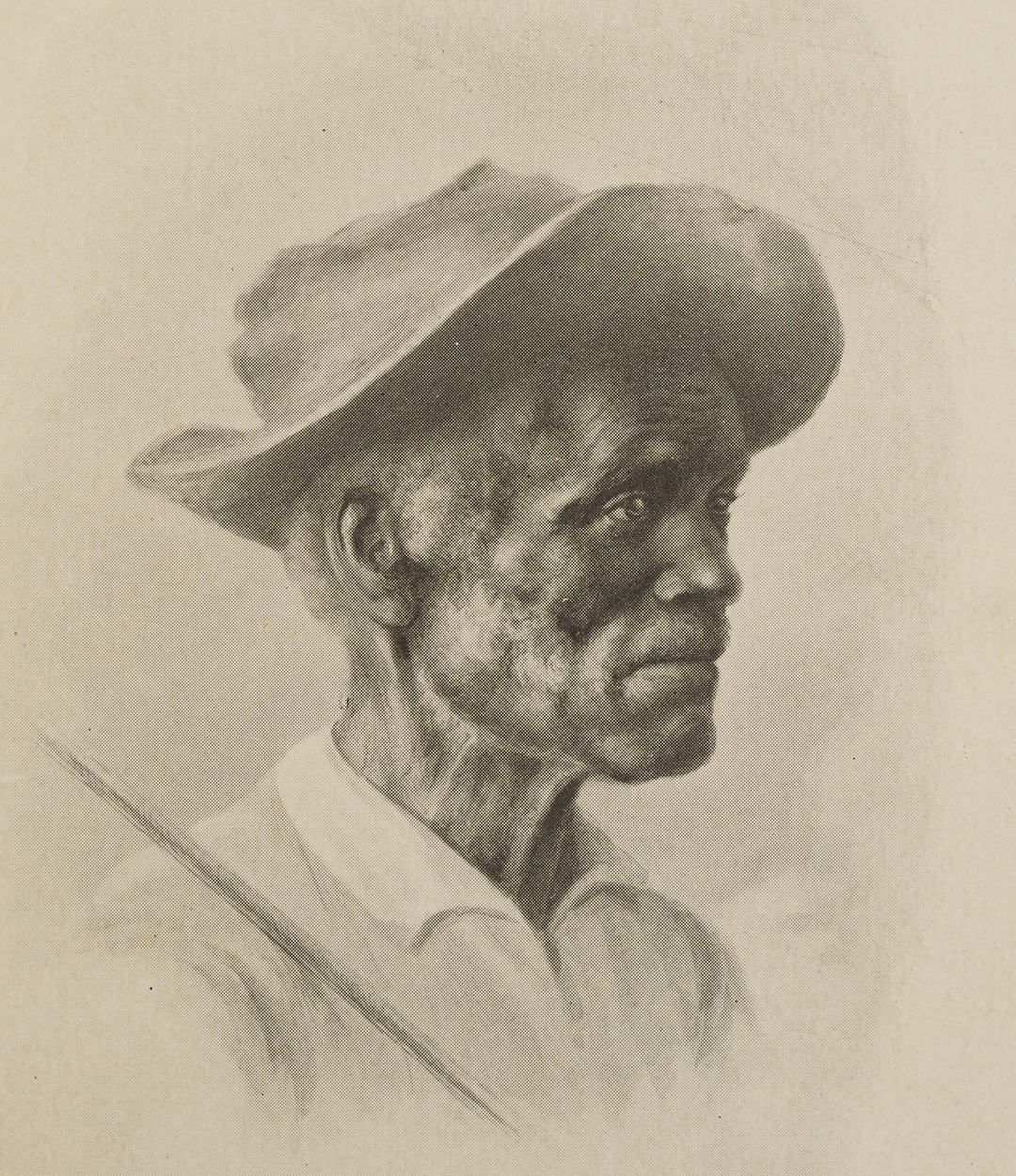
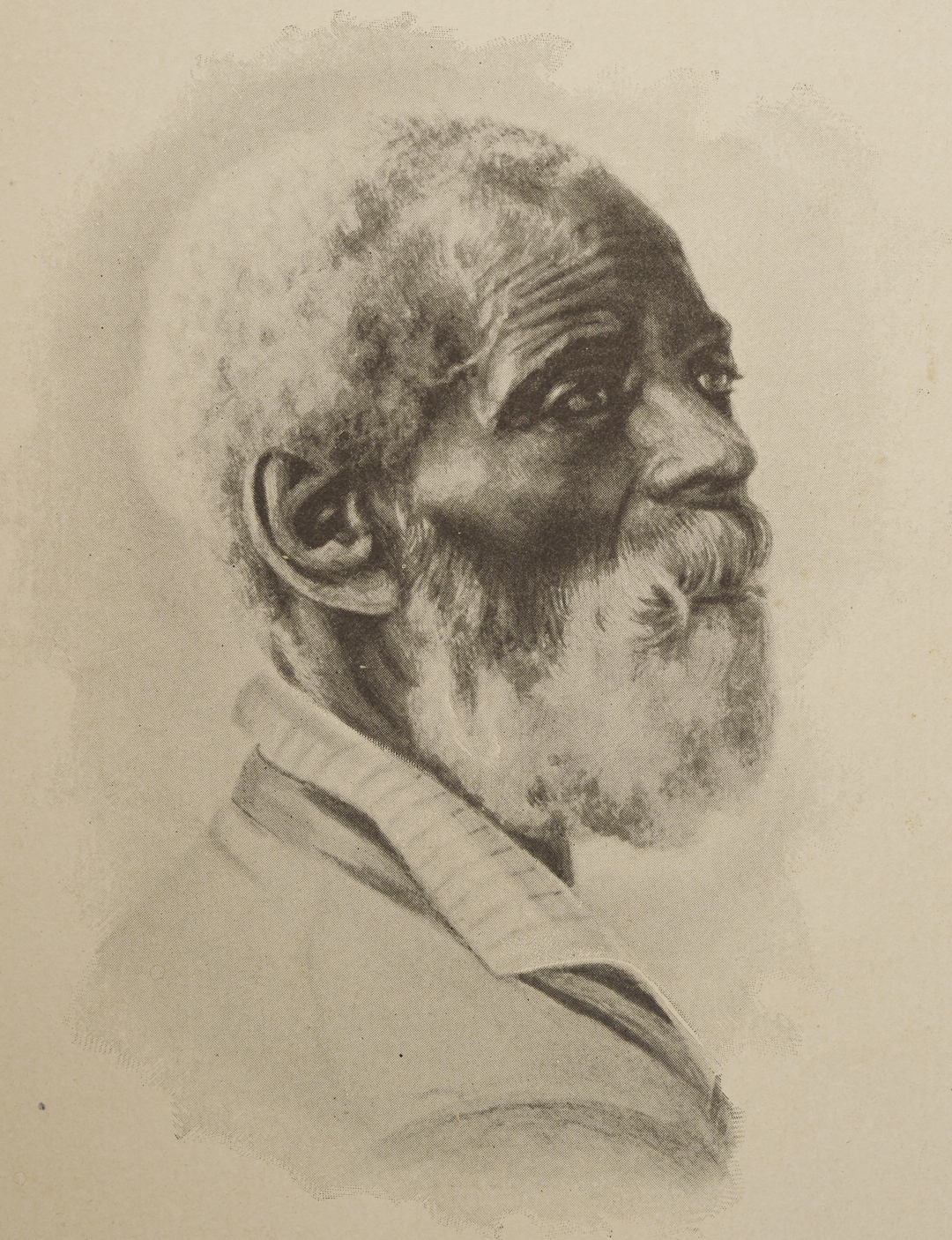
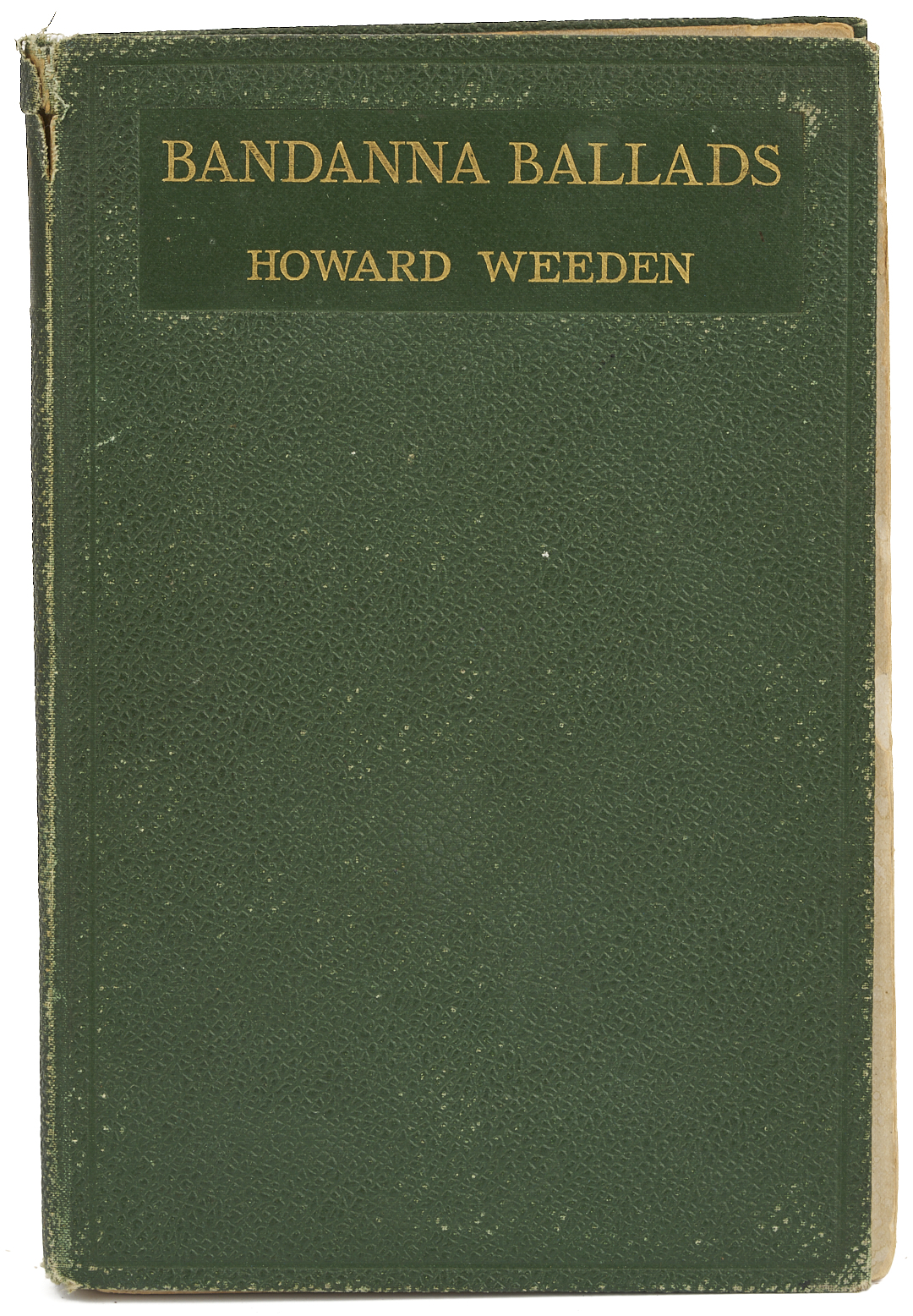
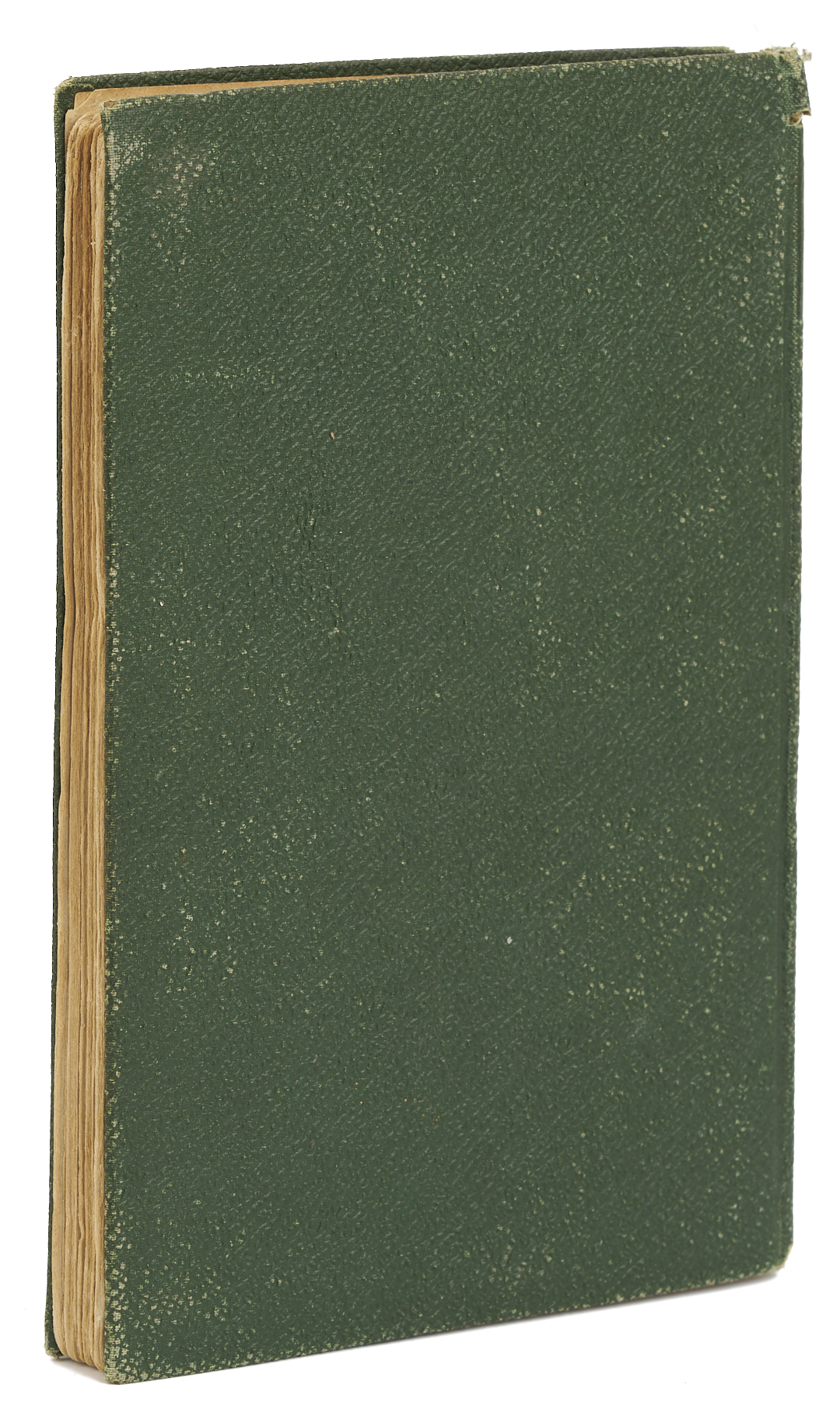
1st item: Maria Howard Weeden (Alabama, 1846-1905) watercolor on card portrait painting depicting a young girl with braided hair shown in bust-length, profile view. She wears a light blue dress or shirt and gazes slightly upward. Signed “Weeden,” lower left. Framed under glass in a painted wooden frame with a white mat and gold reveal. Card: 8 15/16 in H x 6 7/8 in. W. Sight: 4 7/8 in. x 4 7/8 in. Framed: 14 3/4 in. x 14 3/4 in. 2nd item: A signed copy of BANDANNA BALLADS (Maria Howard Weeden; Joel Chandler Harris), 1st edition, published by Doubleday & McClure Company, New York, 1899. 12mo, original green leather decorated in gilt, illustrated by the author, tissue-guarded frontispiece. Introduction by Joel Chandler Harris. Presentation copy, inscribed and signed by the author on the title page: “Mammy’s fires are still aglow, And on the wall their shadows throw. Yours Sincerely, Howard Weeden.” Together with a photo of Weeden’s home, a typed copy of The Howard Weeden Memorial Day ceremony, dated April 11, 1919, and a memorial article by Bernice Fearn Young titled “Howard Weeden, A Rose of Yesterday.” 7 3/8 in. H x 5 in. W.
Biographical Note: Maria Howard Weeden was born in 1847 in Huntsville, Alabama, the youngest of six siblings. She showed artistic talent at an early age and was encouraged by her mother, who took her to study with William Frye, a well-known Southern portrait painter living in Huntsville at the time. She also studied art at the Huntsville Female Seminary. However, the Weeden family was financially ruined in the wake of the Civil War, and she was unable to pursue more formal training or visit places like Europe to find subject matter. As Martha Severens writes in “150 Years of Watercolor,” “Her sitters were generally members of her community who were former slaves serving as cooks, nannies, and gardeners. At a time when many artists were caricaturing African Americans, Weeden preferred to render more dignified and uplifting portraits. After visiting the World’s Columbian Exposition in Chicago, where she encountered many caustic images of the Uncle Remus variety, she resolved to pursue a different direction. She later recalled: ‘Then and there I awoke to the realization that right around me was a subject of supremest artistic interest, the old ex-slave, who henceforth became theme for my muse and model for my brush.” It is said that a combination of her nearsightedness and using brushes with only 3 hairs for painting allowed her to capture delicate details. Weeden did not use her first name on her works, preferring to sign them “Howard Weeden”. Her childhood home in Huntsville is now the Weeden House Museum and contains many of her works. Most of her subjects never commissioned these portraits, so she never found great commercial success. She also published four books of poetry with accompanying illustration.
CONDITION: Item 1 in overall very good condition within sight area. Card is adhered to mat. Brown pigment along top or head, upper right, is possibly inherent. Two spots of foxing, one along upper edge of sight area and one along right edge of sight area. Item 2’s cover worn with wear and losses to the perimeter and the spine, including tears to the upper spine. All pages are detached from the spine except for two, with some toning to the front and end papers. The title page is creased with chipping to the top corner and right margin.